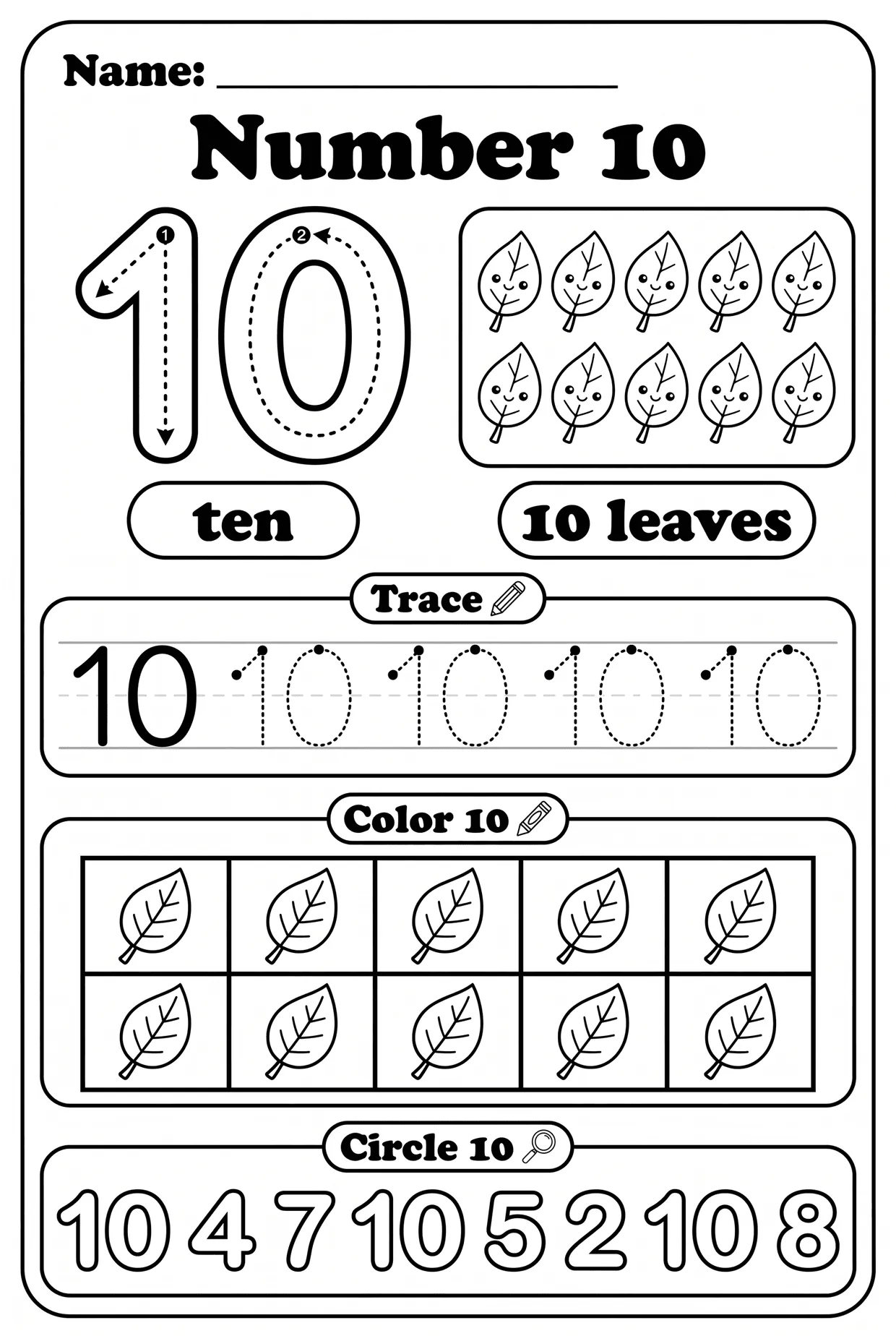
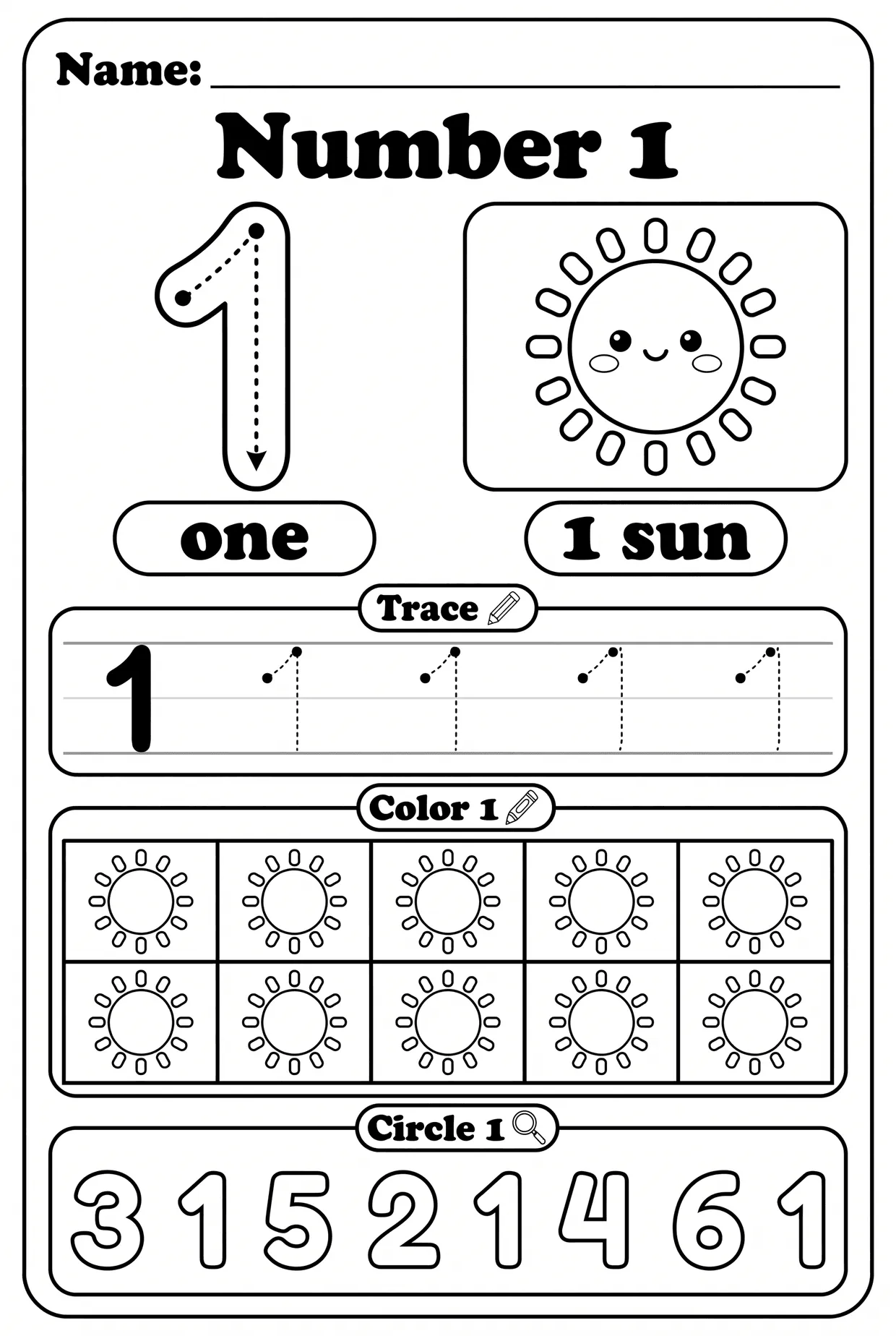
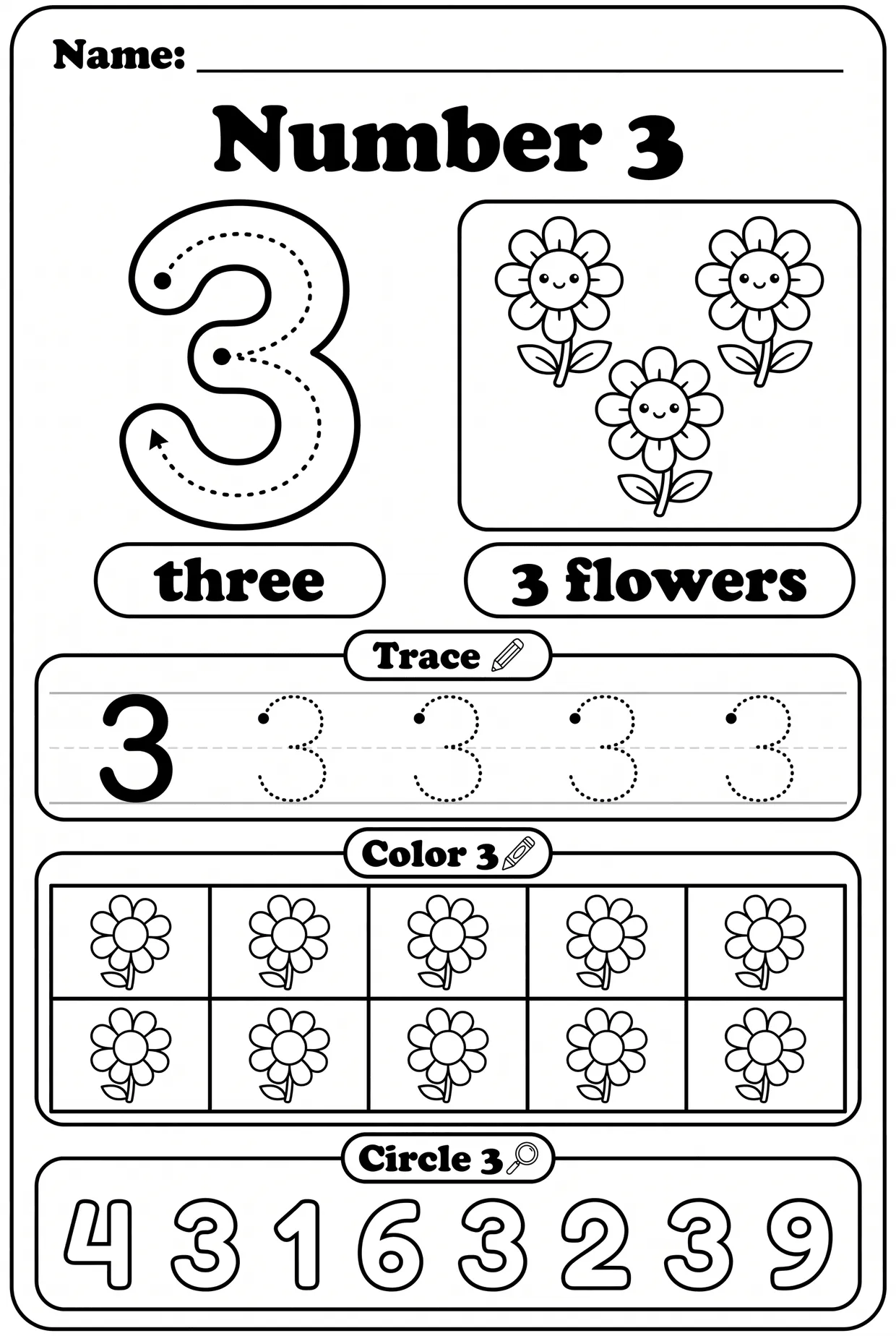
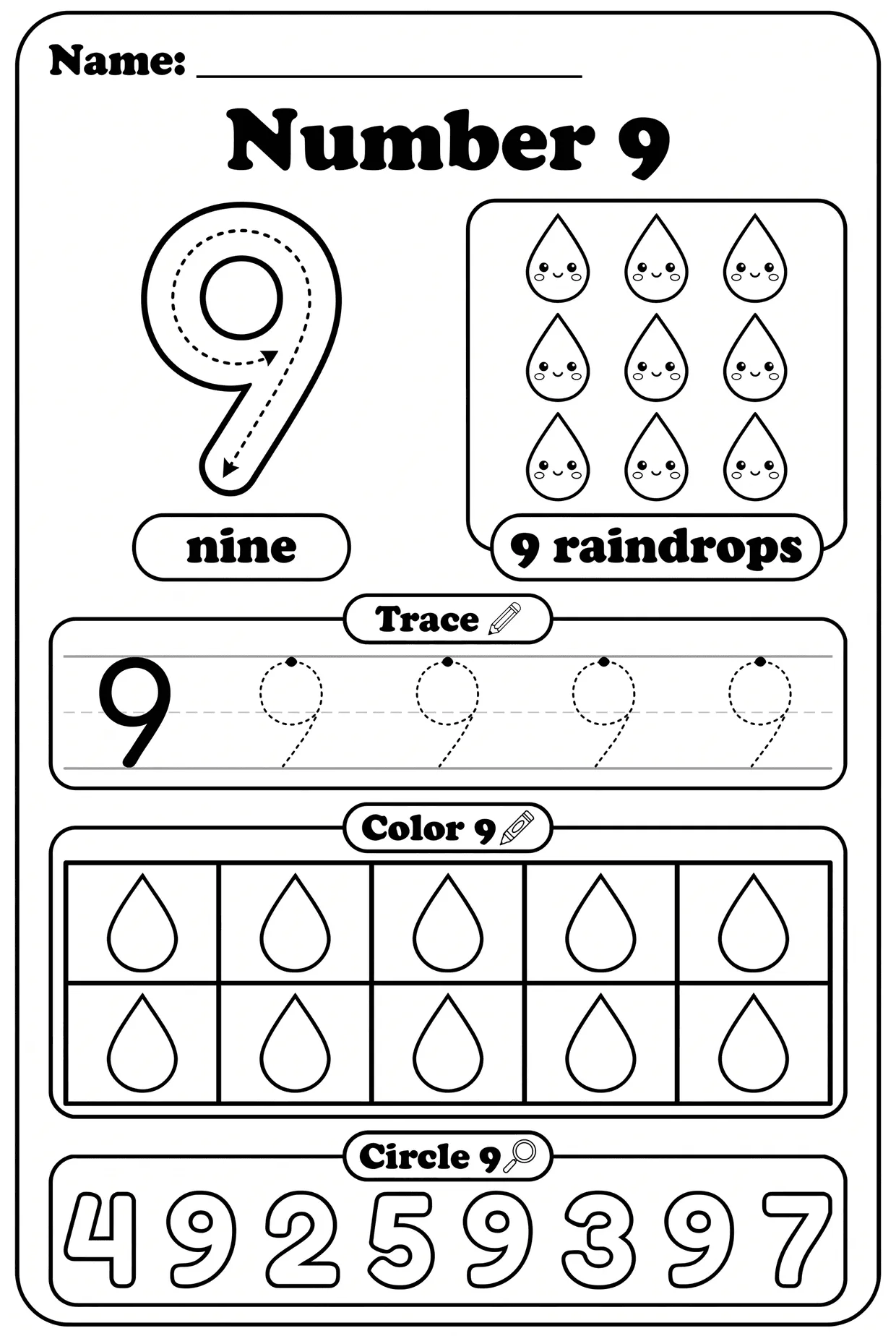
Free Preschool Number Worksheets

A number a day, or a number a week, is a comfortable pace for most preschool classrooms and kitchen tables, and that is exactly how our preschool number worksheets are laid out. Each numeral from 1 to 10 has a page of its own, so a child can learn them one at a time and connect each one to the amount it stands for.

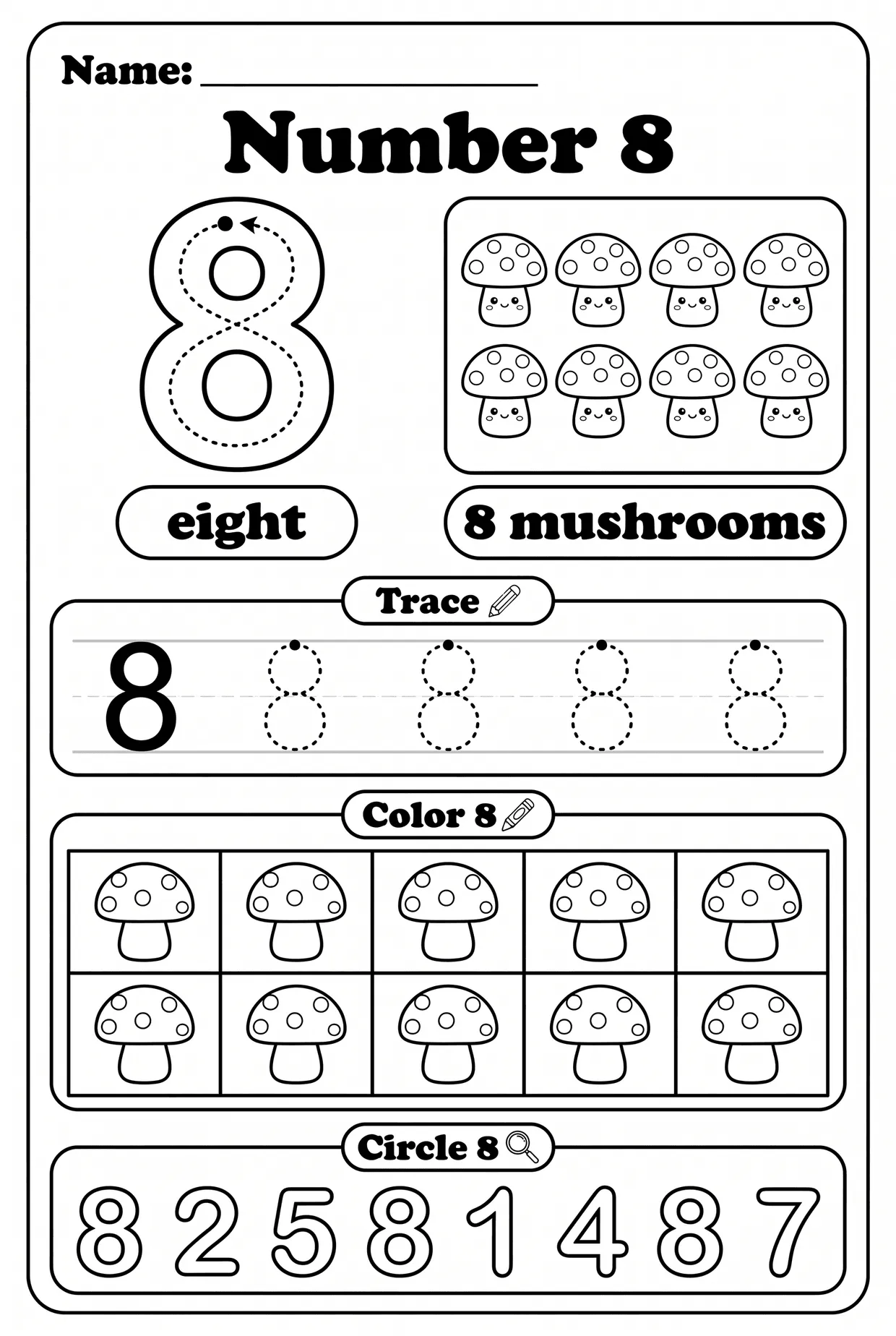
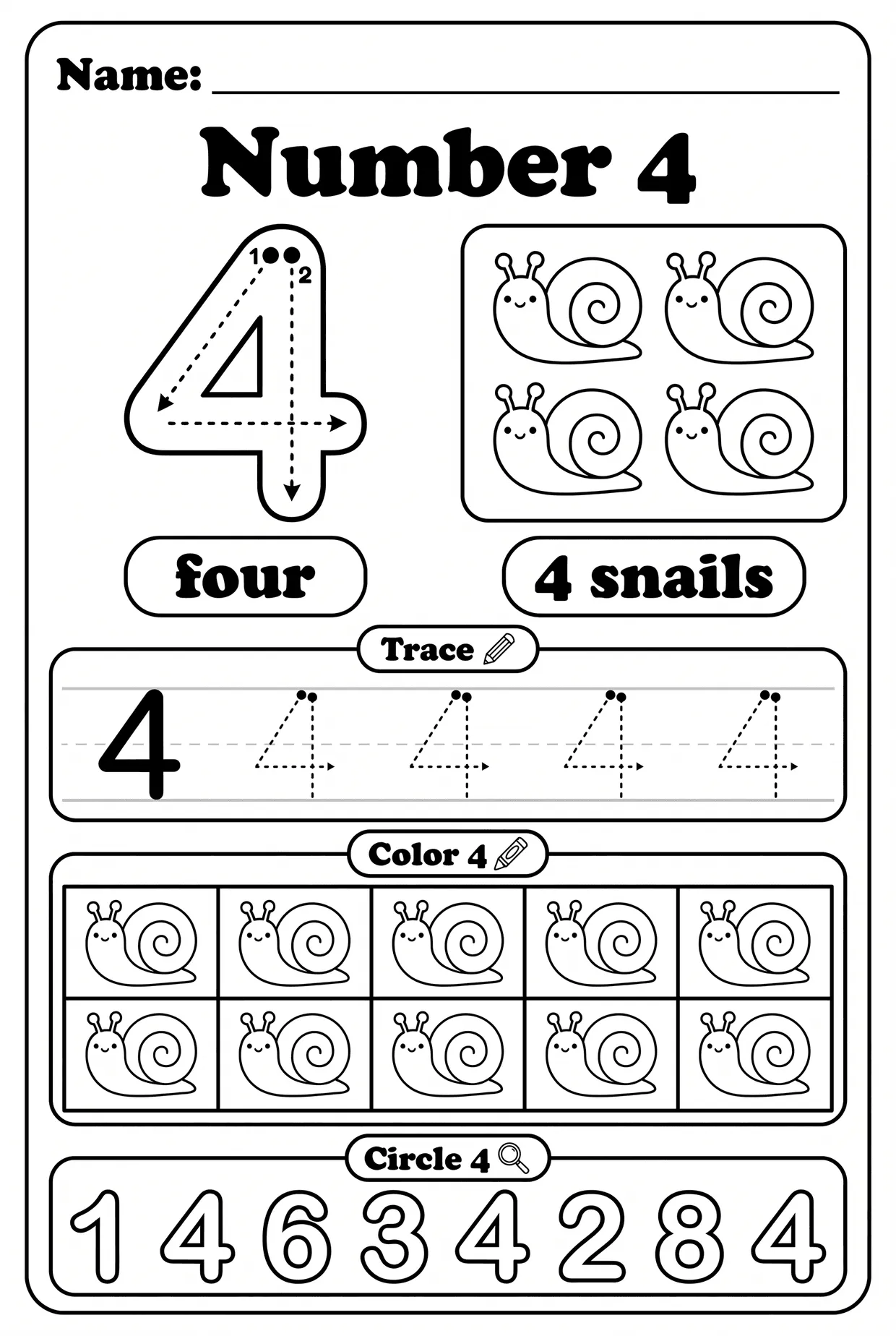
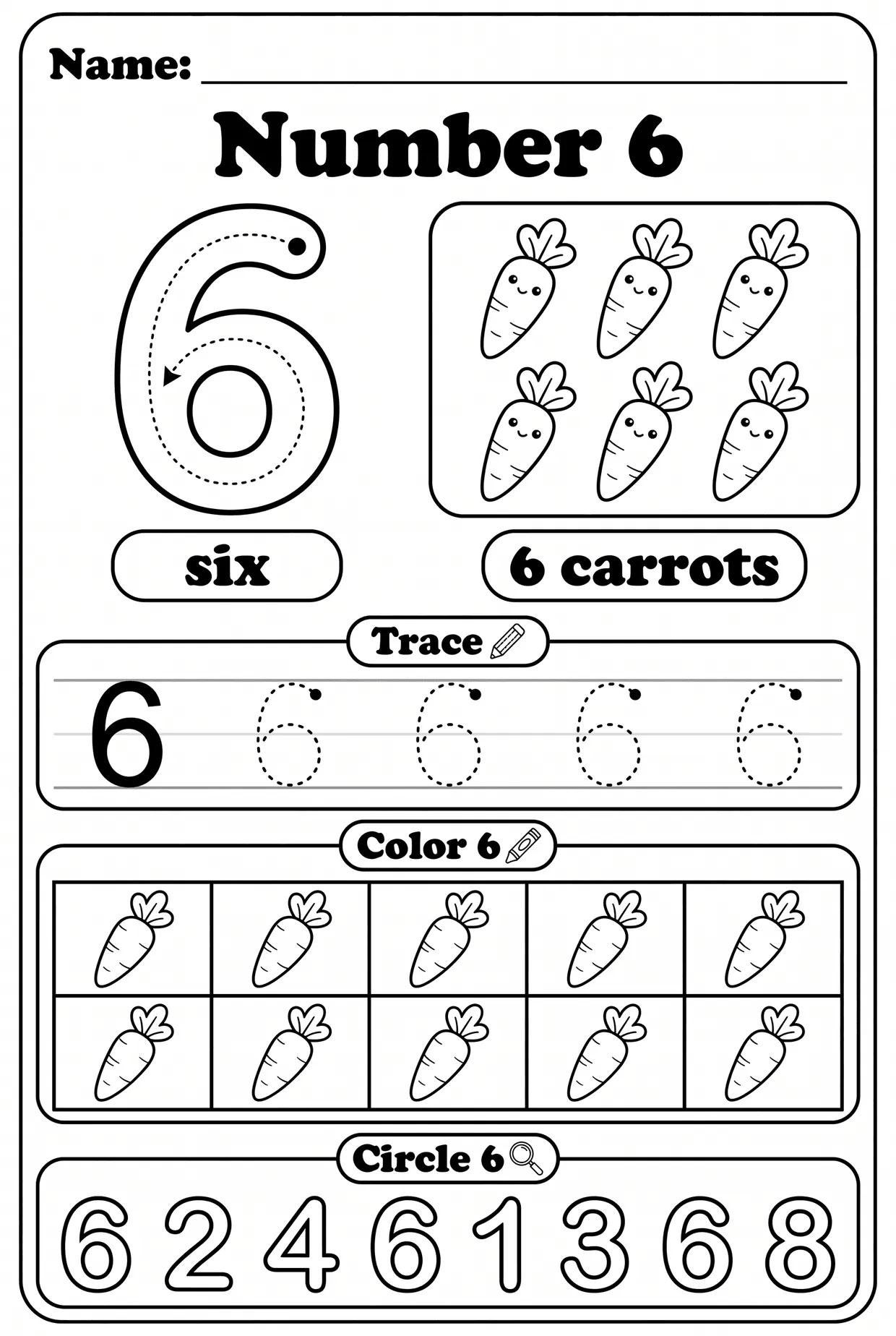
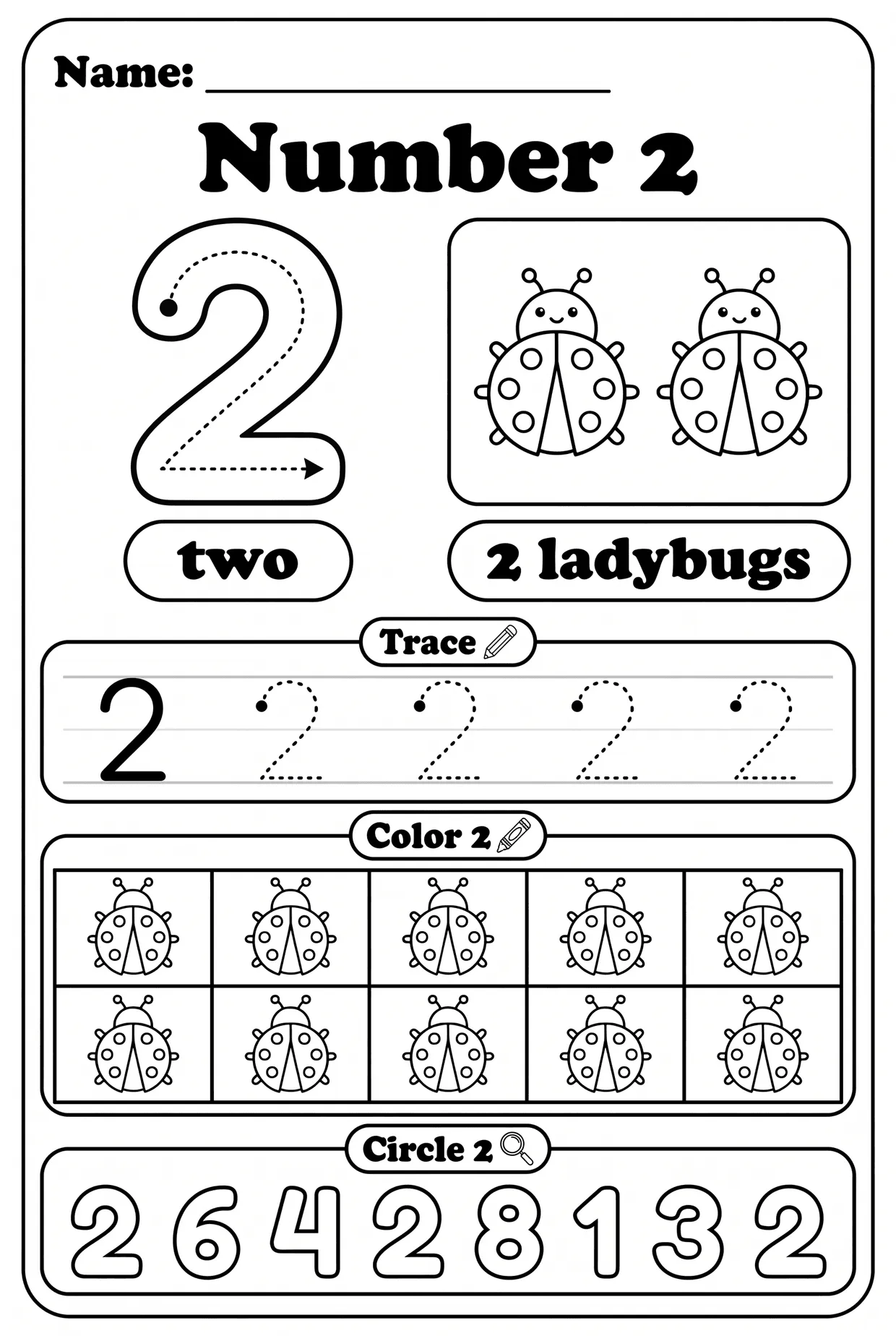
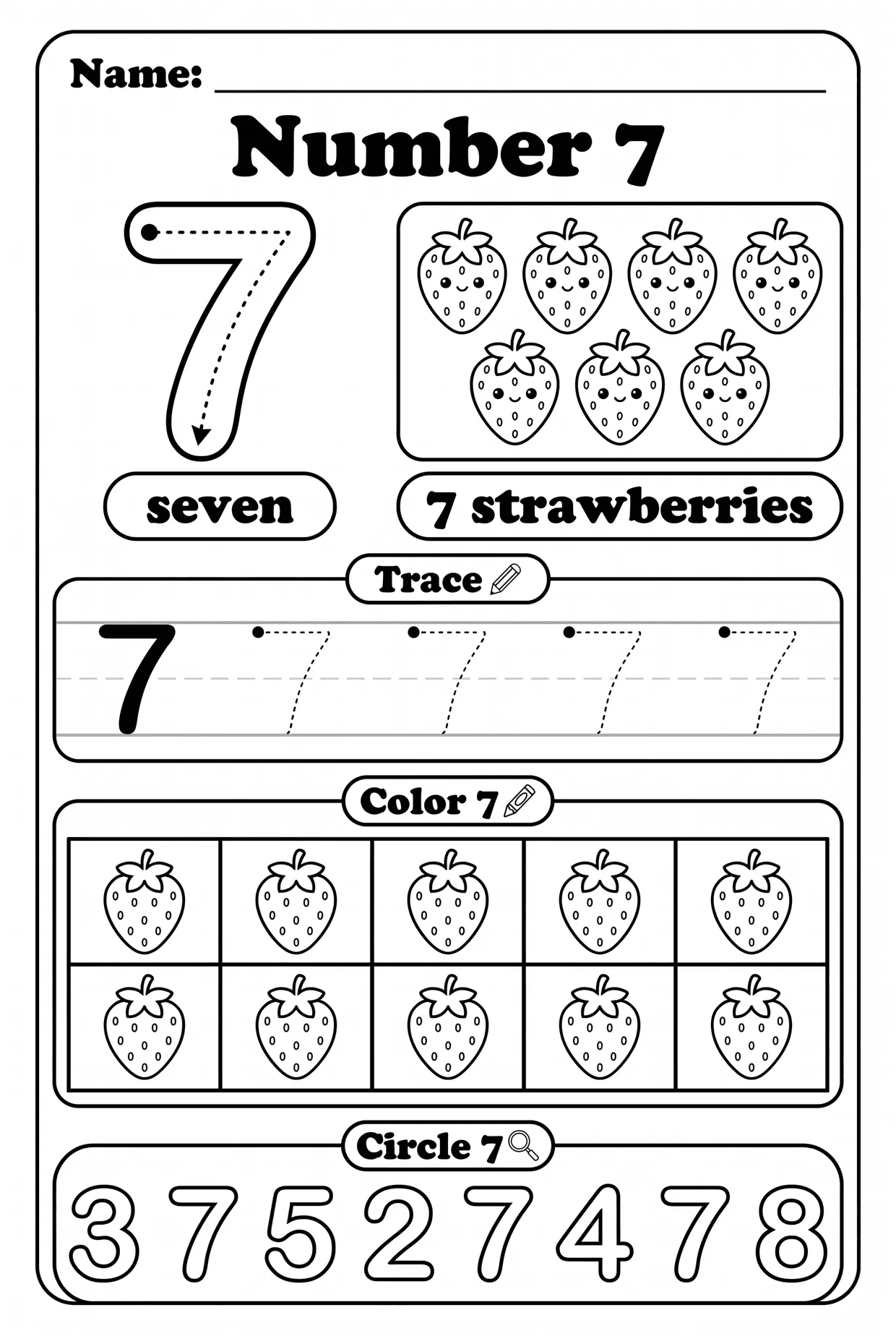
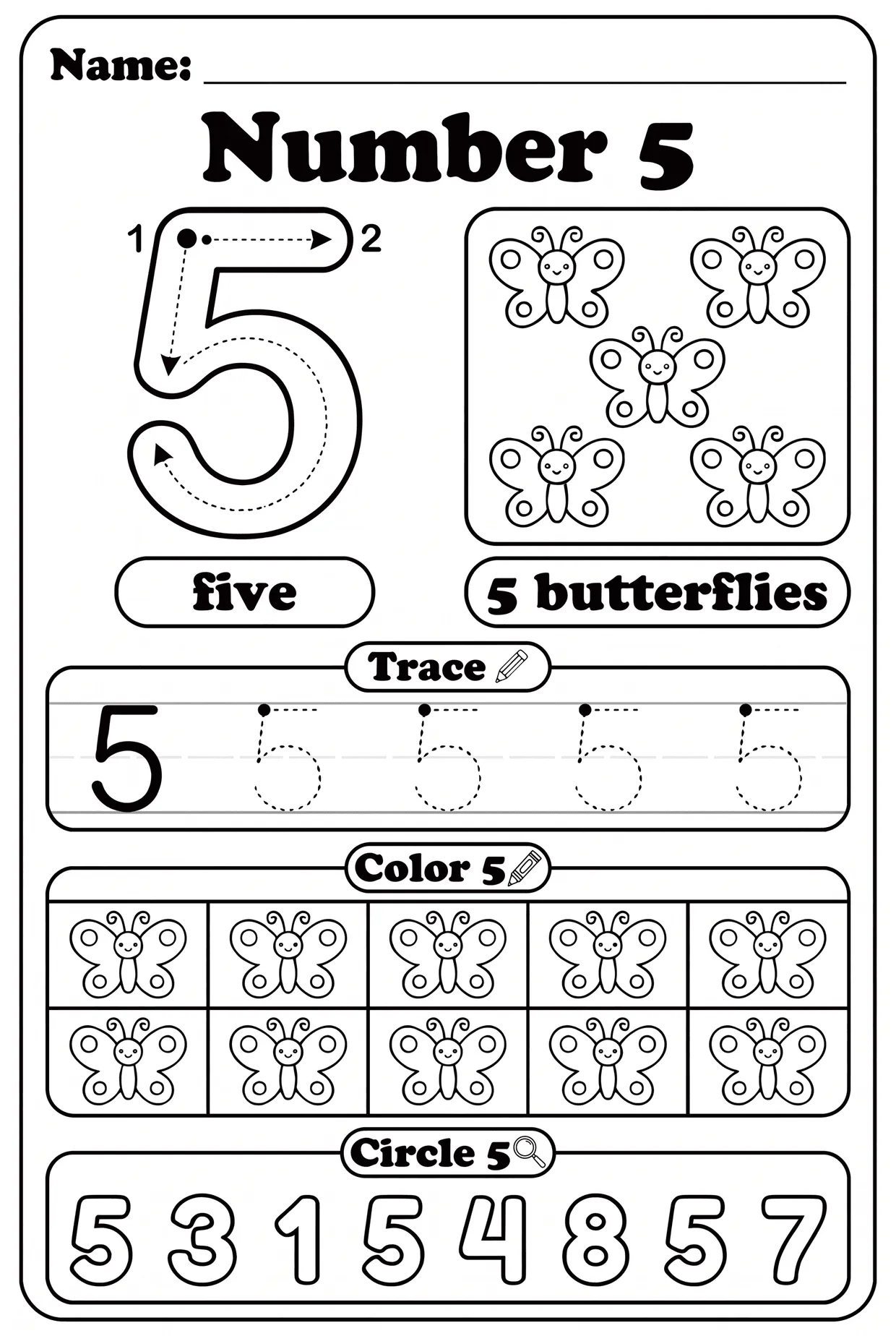
Each page holds a big number to trace, a small group of pictures to count, a ten frame to color in and a row of mixed numbers where the child circles every one that matches. That last job matters more than it looks: finding a 6 among 9s and 3s is how a child learns to tell similar numerals apart.

Looking back at earlier numbers before starting a new one keeps them fresh, and a numeral that keeps getting confused, often a 6 that turns into a 9, can stay on the table for a few extra days. Working in order makes it easy for a family or a class to see which numbers are solid and which need another visit.

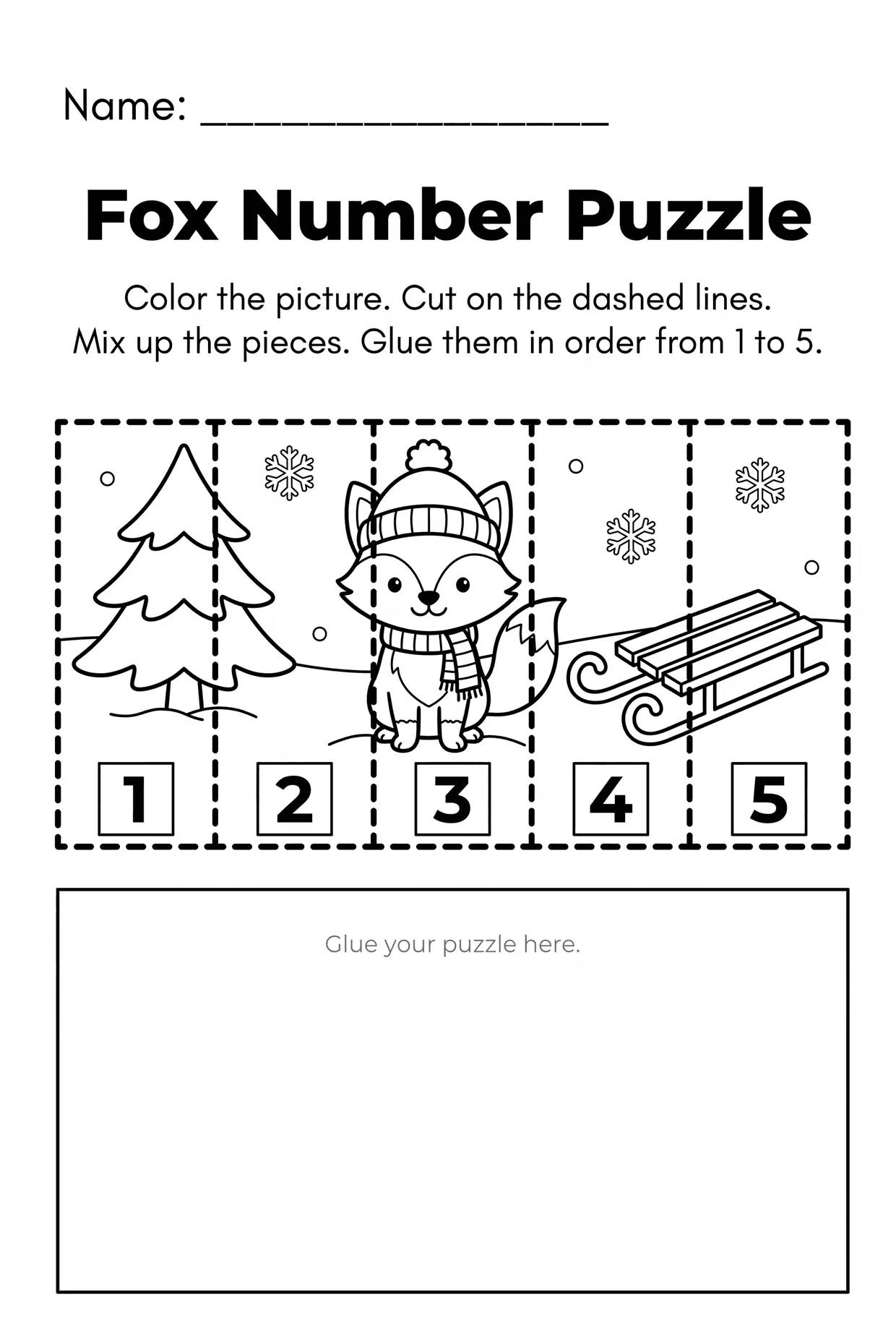
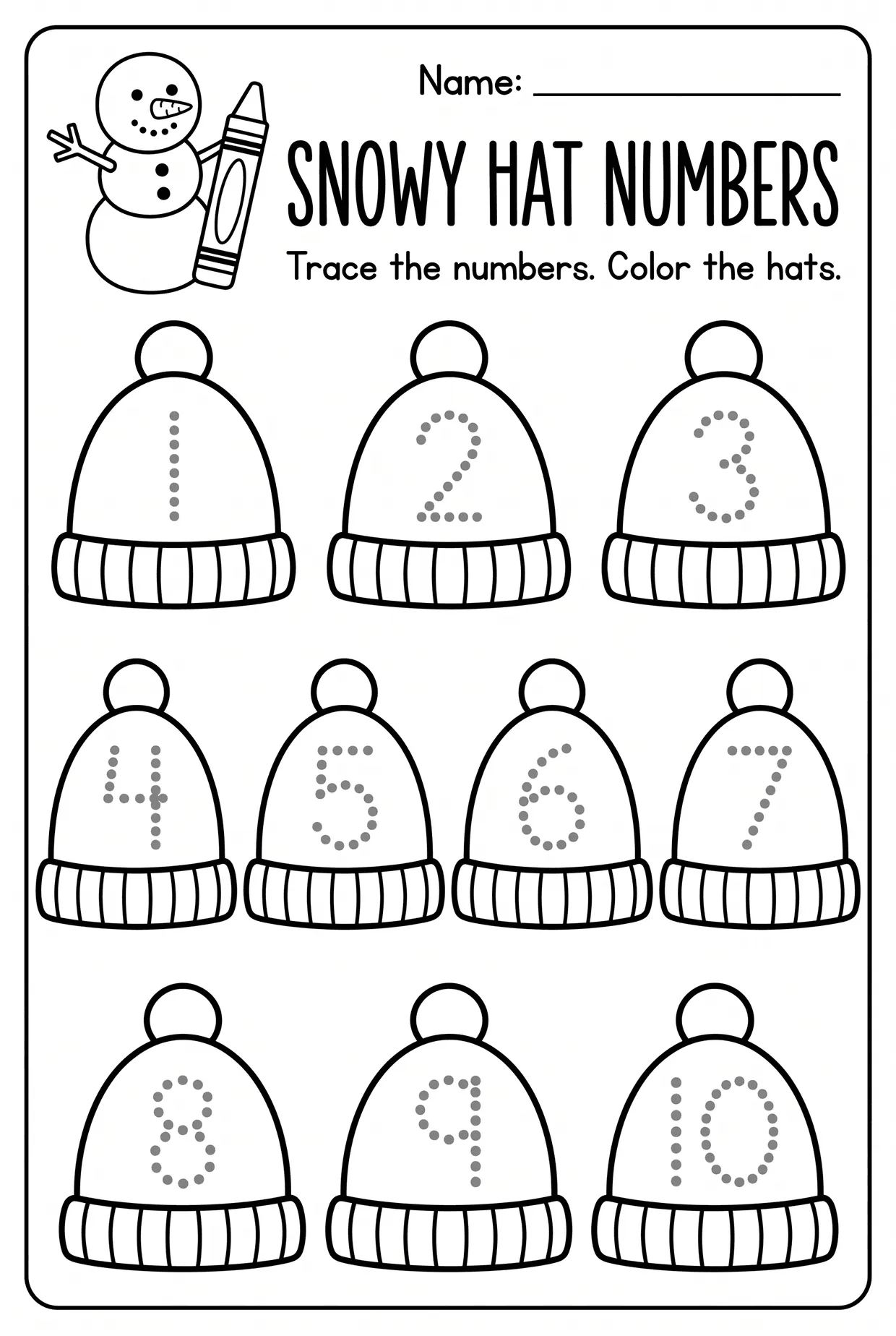
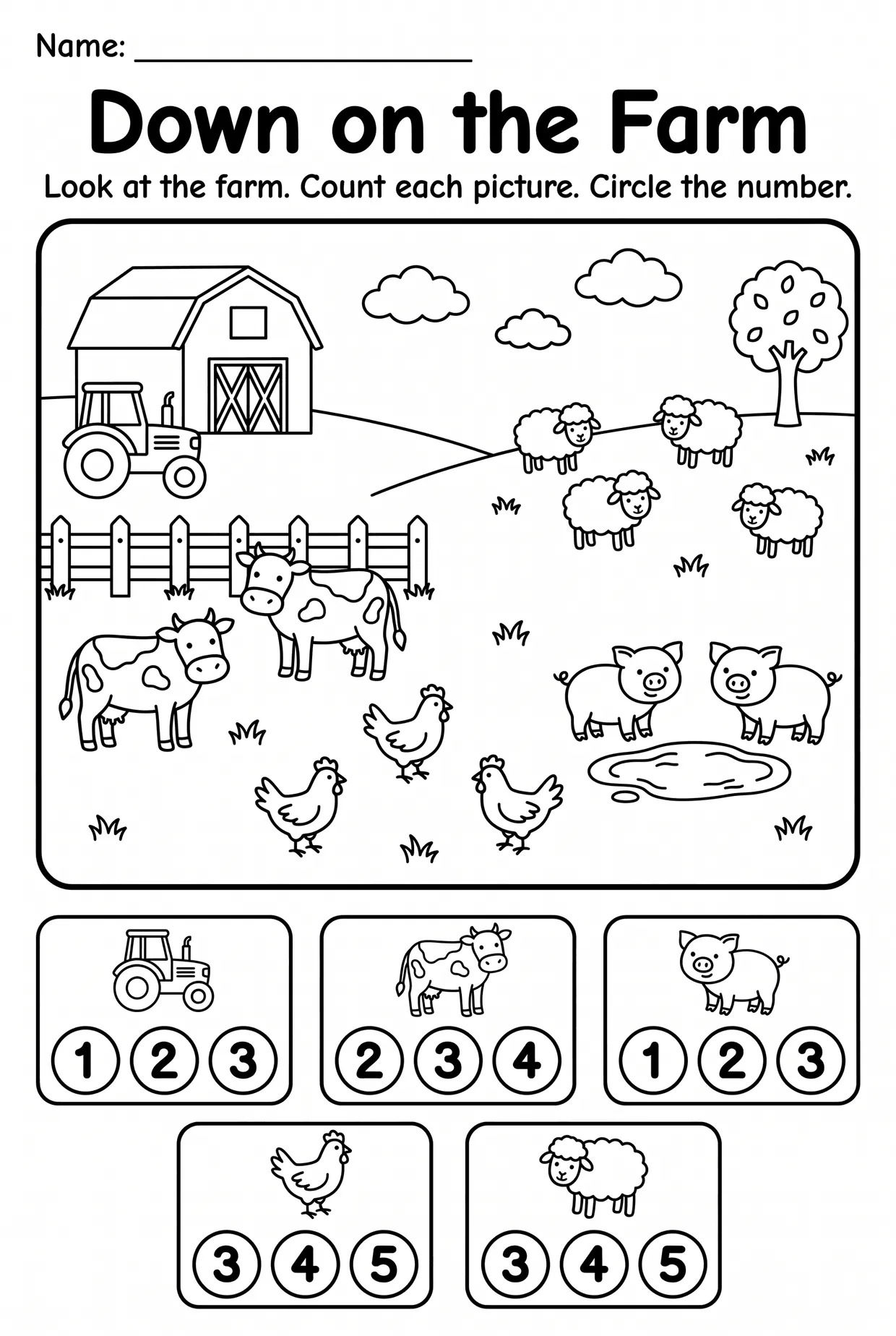
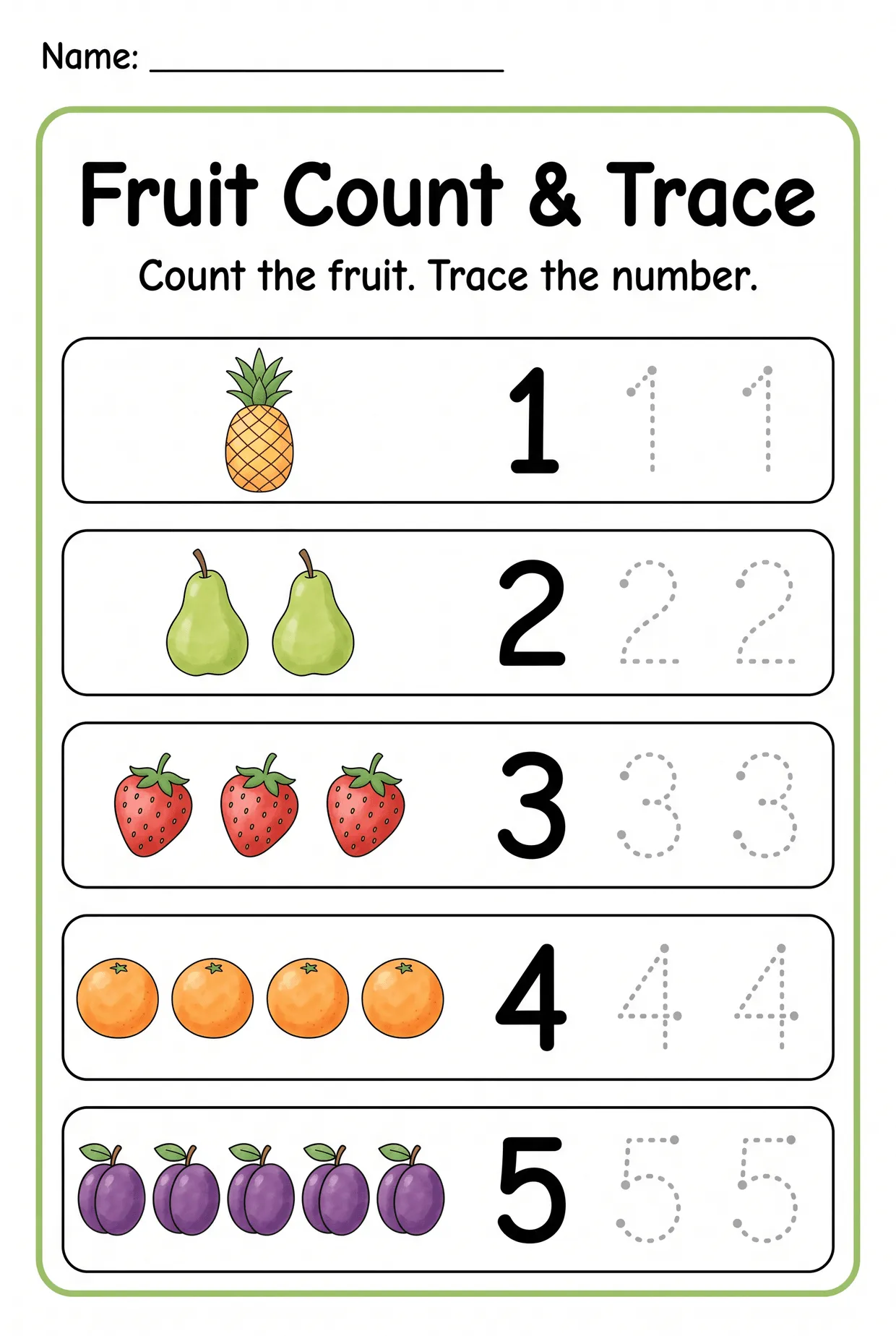
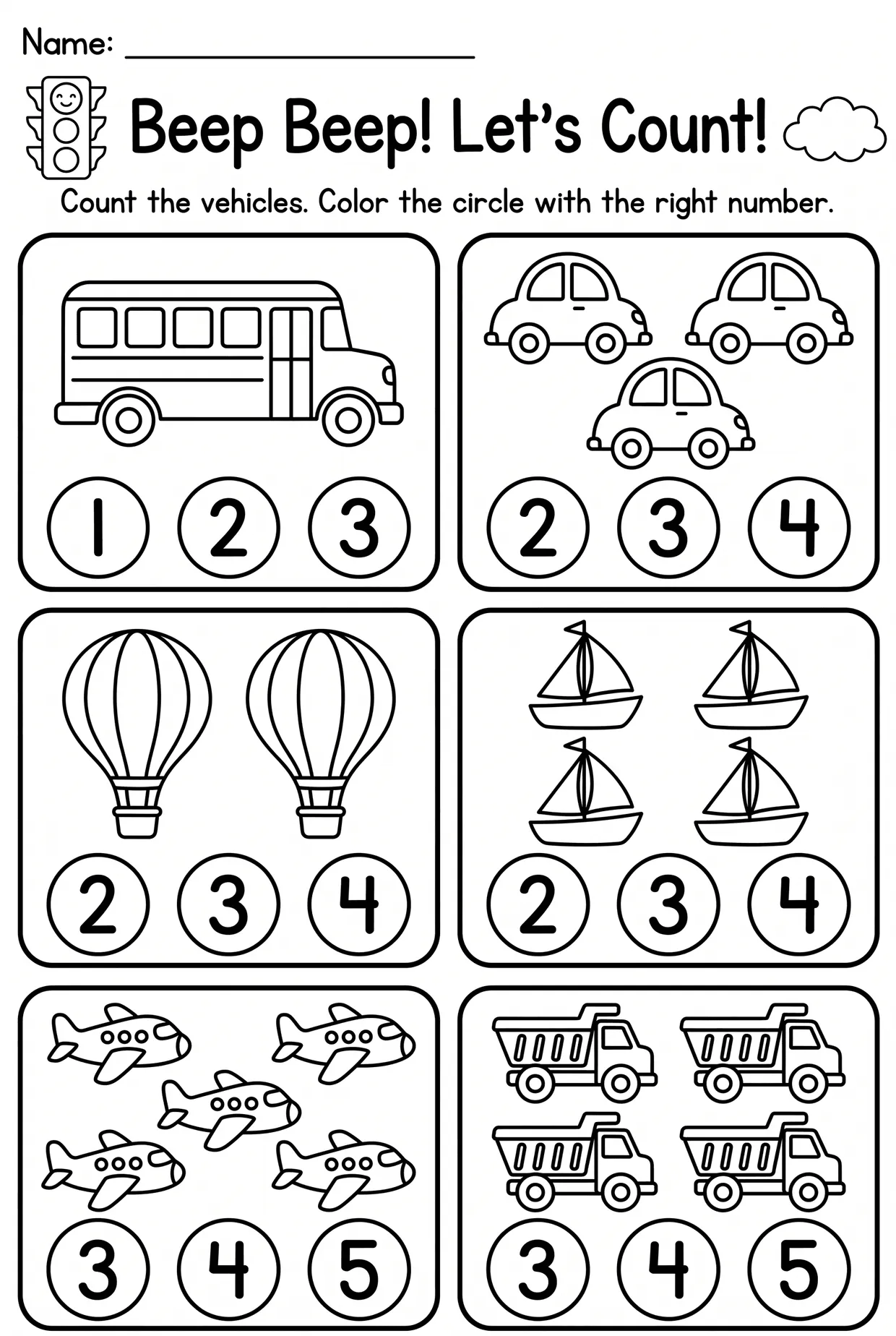
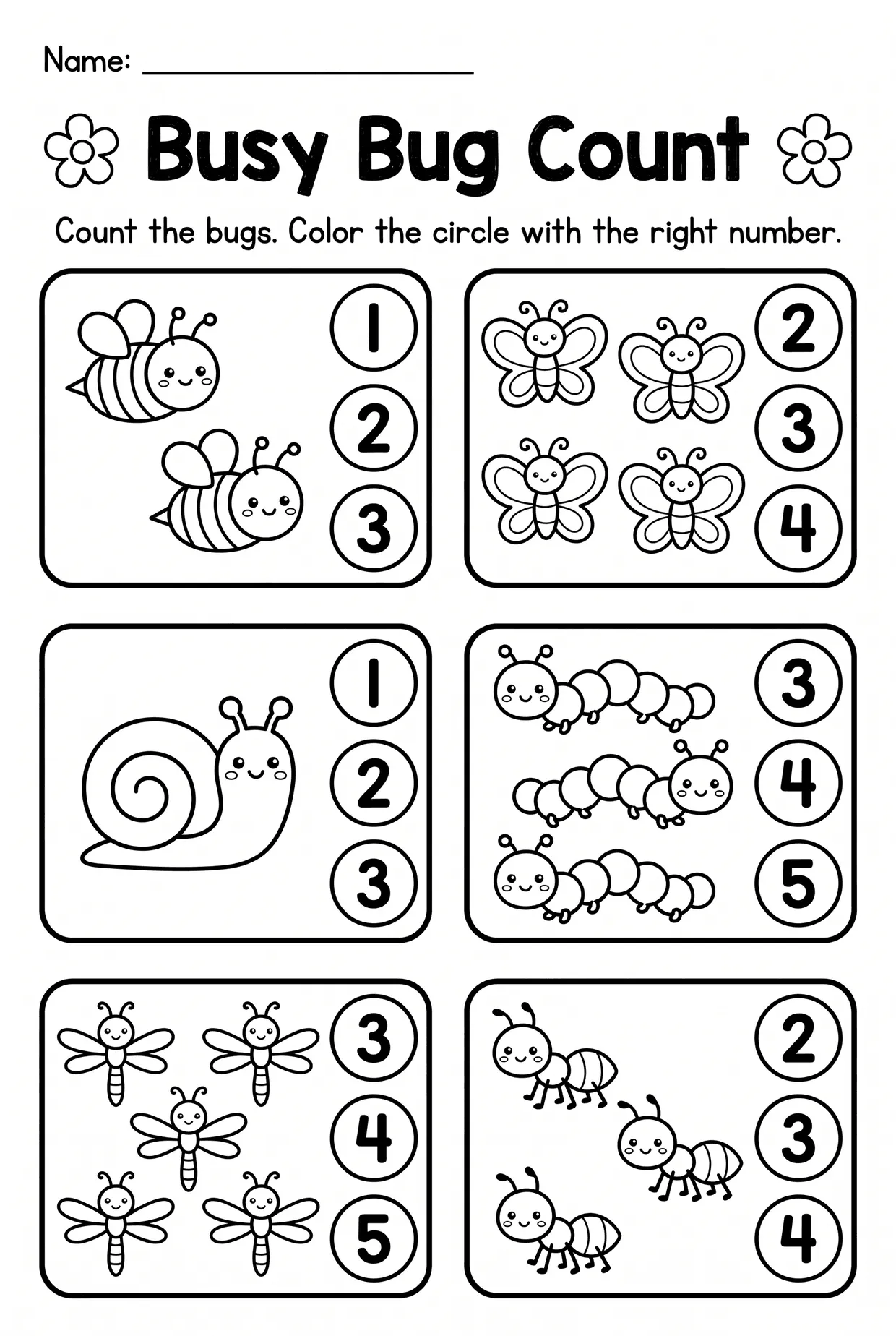
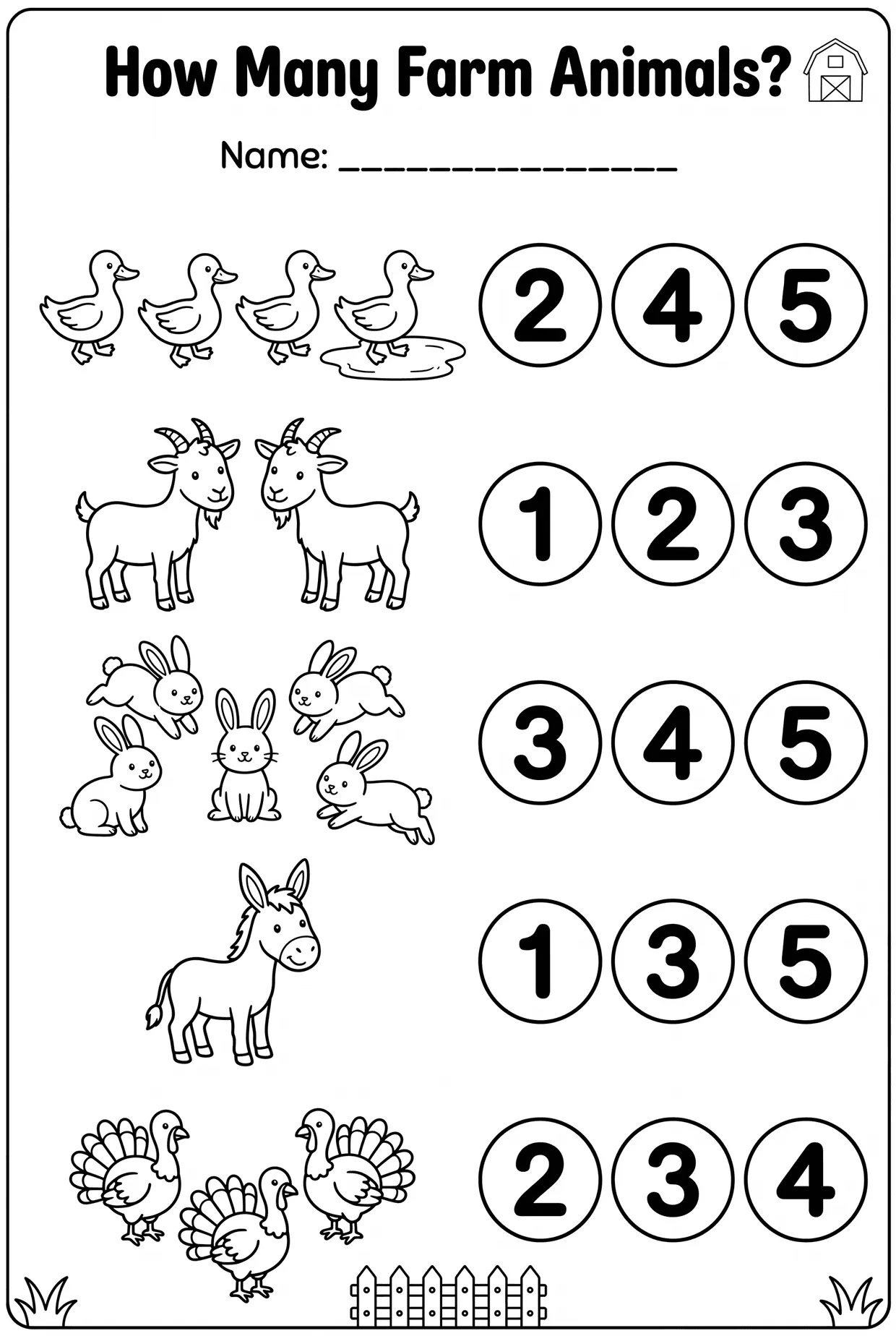
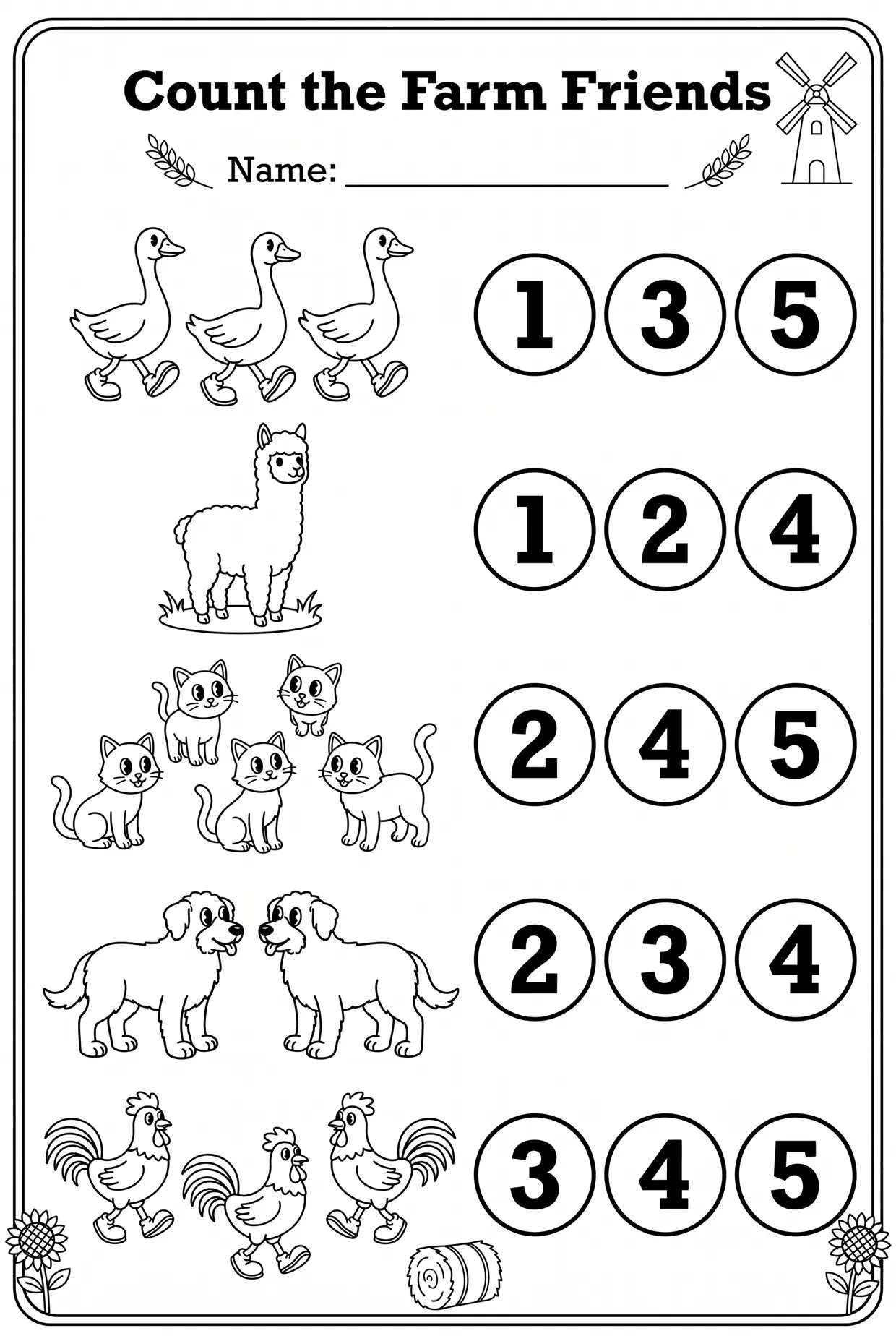
When several numbers feel familiar, the winter hats page has a child trace 1 to 10 in a row, and the fox puzzle asks them to put numbered strips back in order, which shows whether they know how the numbers line up. The farm, fruit, bug and vehicle pages give extra practice matching a numeral to a small group, so each number stays tied to a real amount.

18 free worksheets Preschool Newest added November 2026
Free sets on this skill Free Number Worksheets for Preschool From 1 to 10 10
Format
More preschool skills Tracing worksheets for preschool 60Counting worksheets for preschool 32Alphabet worksheets for preschool 28Winter worksheets for preschool 18Standing lines worksheets for preschool 15Big and small worksheets for preschool 10

Questions about number worksheets for preschool

Which numbers should a preschooler learn first?

Start with 1 to 5, since those are amounts a child can see at a glance, then move on to 6 to 10. Each number from 1 to 10 has its own page here, so it is easy to go in order and repeat the ones that need it.

My child writes some numbers backwards. Is that normal?

Yes. Reversed 2s, 3s, 5s, 7s and 9s are very common until about age six or seven, and they usually sort themselves out with practice. Tracing the big numbers slowly, always starting at the top, builds the right movement. A gentle reminder now and then works better than correcting every one.

What helps a child who mixes up 6 and 9?

Point out that a 6 has its loop at the bottom and a 9 has its loop at the top, and trace both with a finger while saying the name. Finding every 6 in a row of mixed numbers helps too, because the child has to look closely to pick it out.

Should my child trace numbers or write them freehand?

Trace first. Tracing shows where each stroke starts and which way it goes, and freehand writing comes much more easily once that movement is familiar. When a child can trace a number neatly, let them try writing it on their own on scrap paper.

How long should we stay on each number?

A day or two is enough for most children, with a quick look back at earlier numbers before starting a new one. If a number keeps getting mixed up, stay on it a little longer. Short daily sessions of a few minutes work far better than one long sitting.