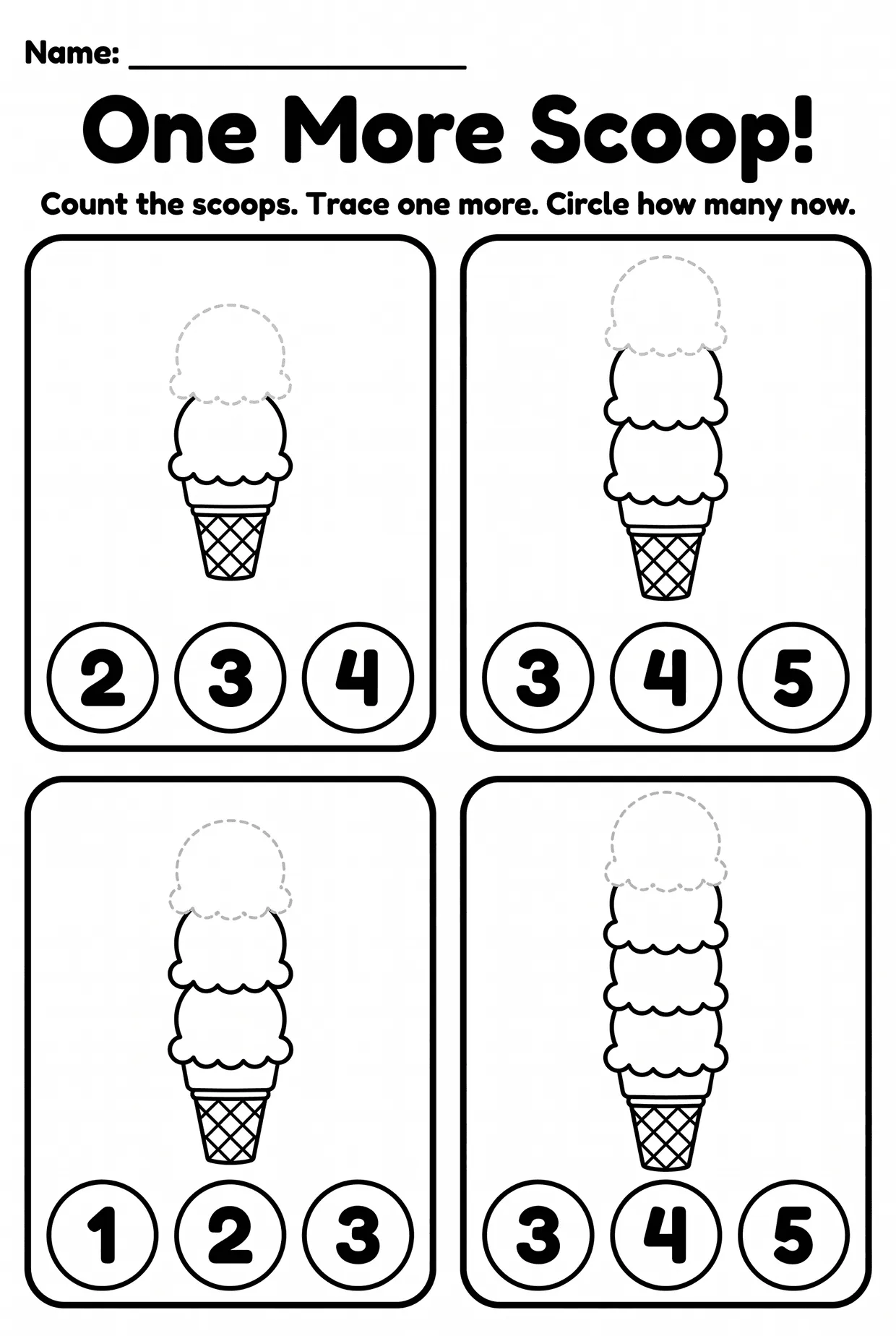
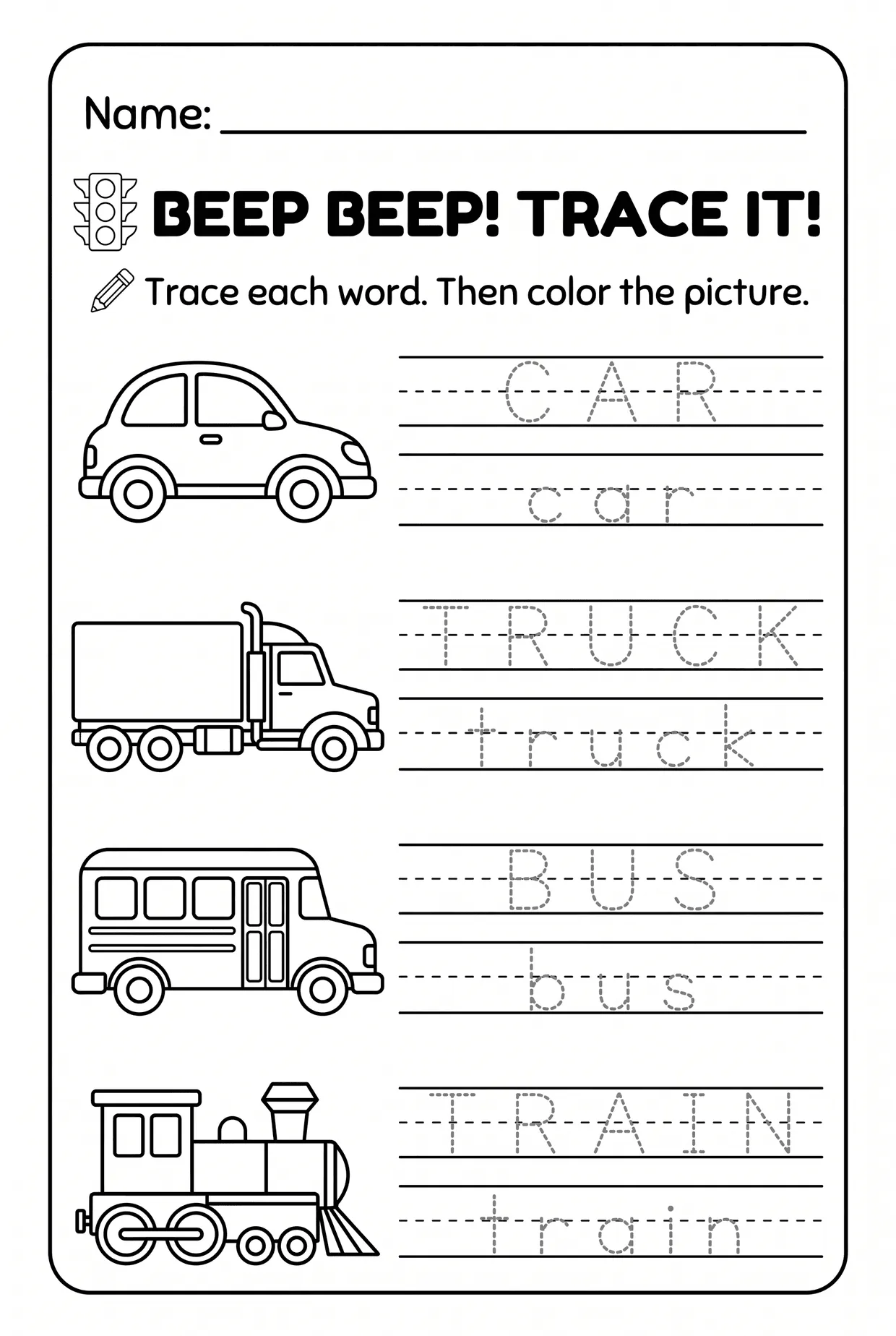
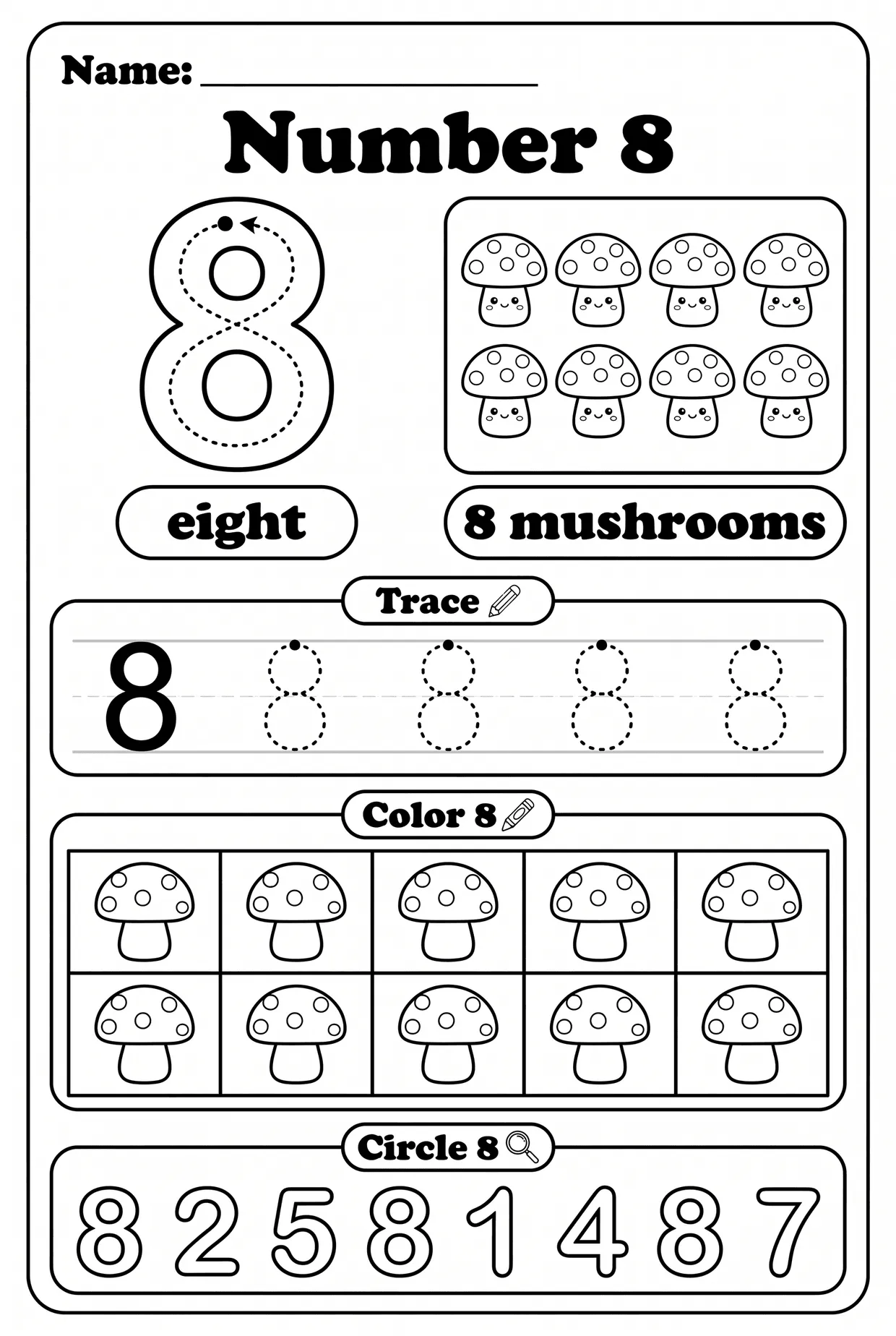
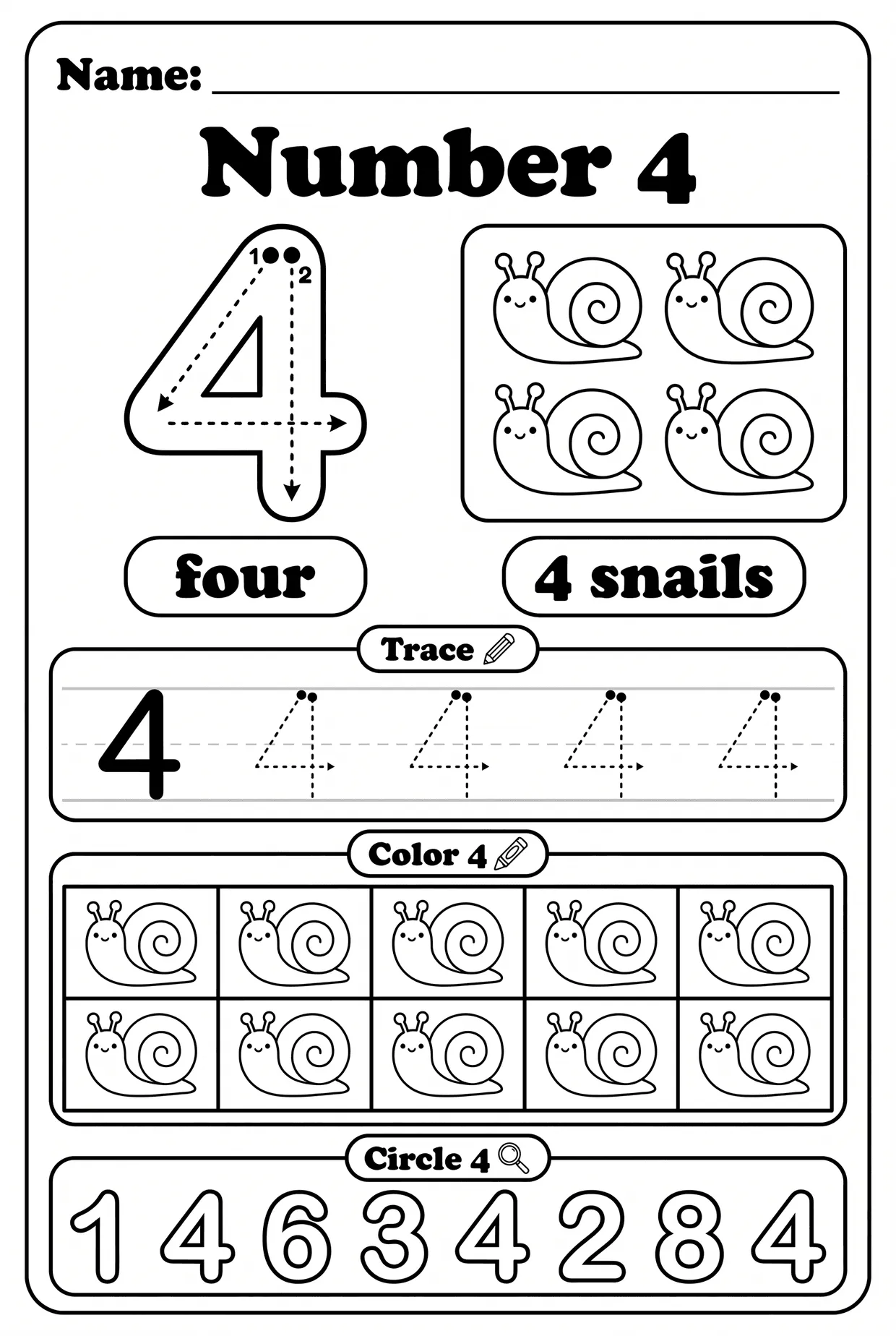
Free Preschool Tracing Worksheets

Writing asks a child to plan a shape and then make it; tracing only asks them to follow one. That difference is why tracing worksheets for preschool belong before handwriting, since a dashed path takes the planning away and leaves a child free to put all their effort into steering the crayon.

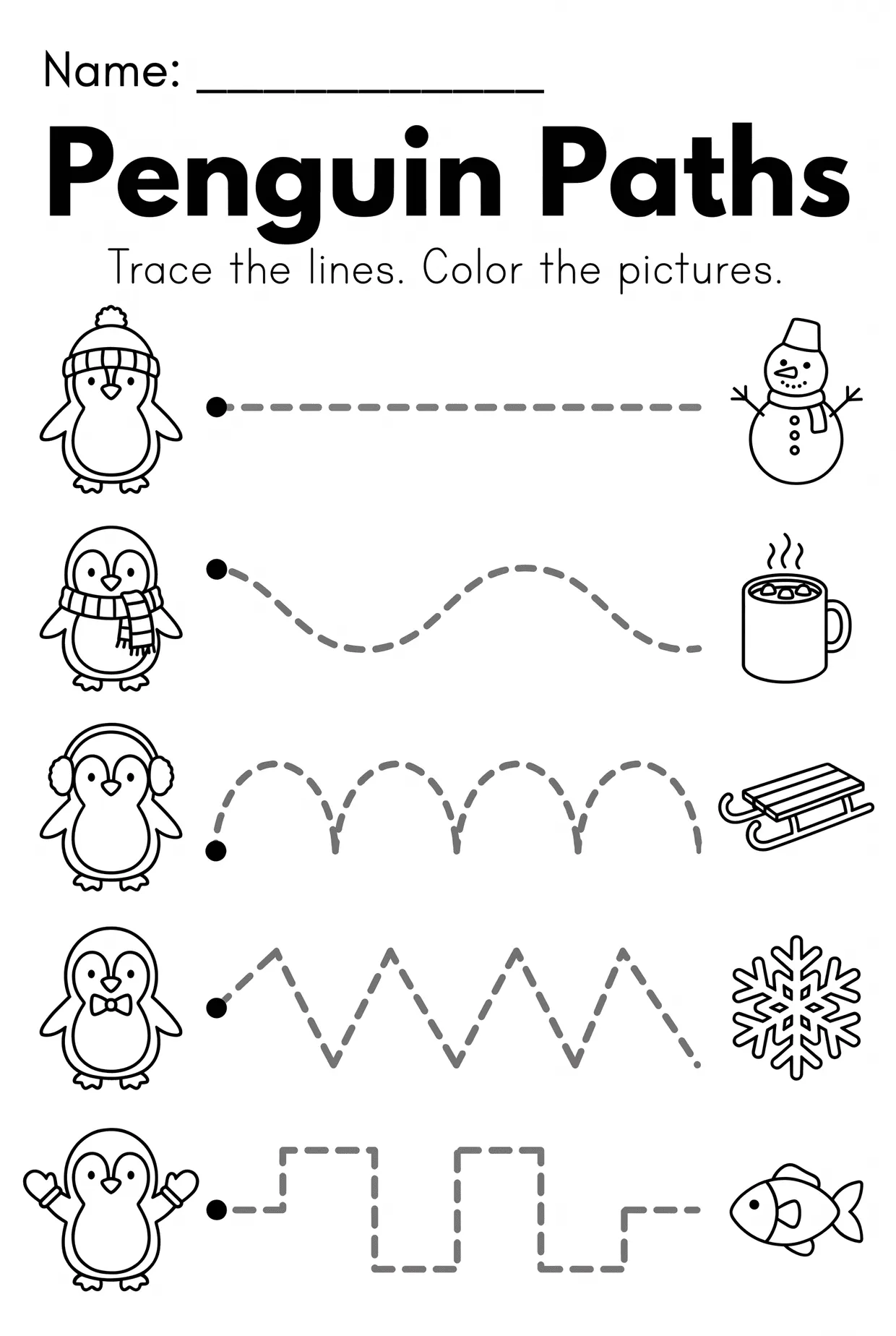
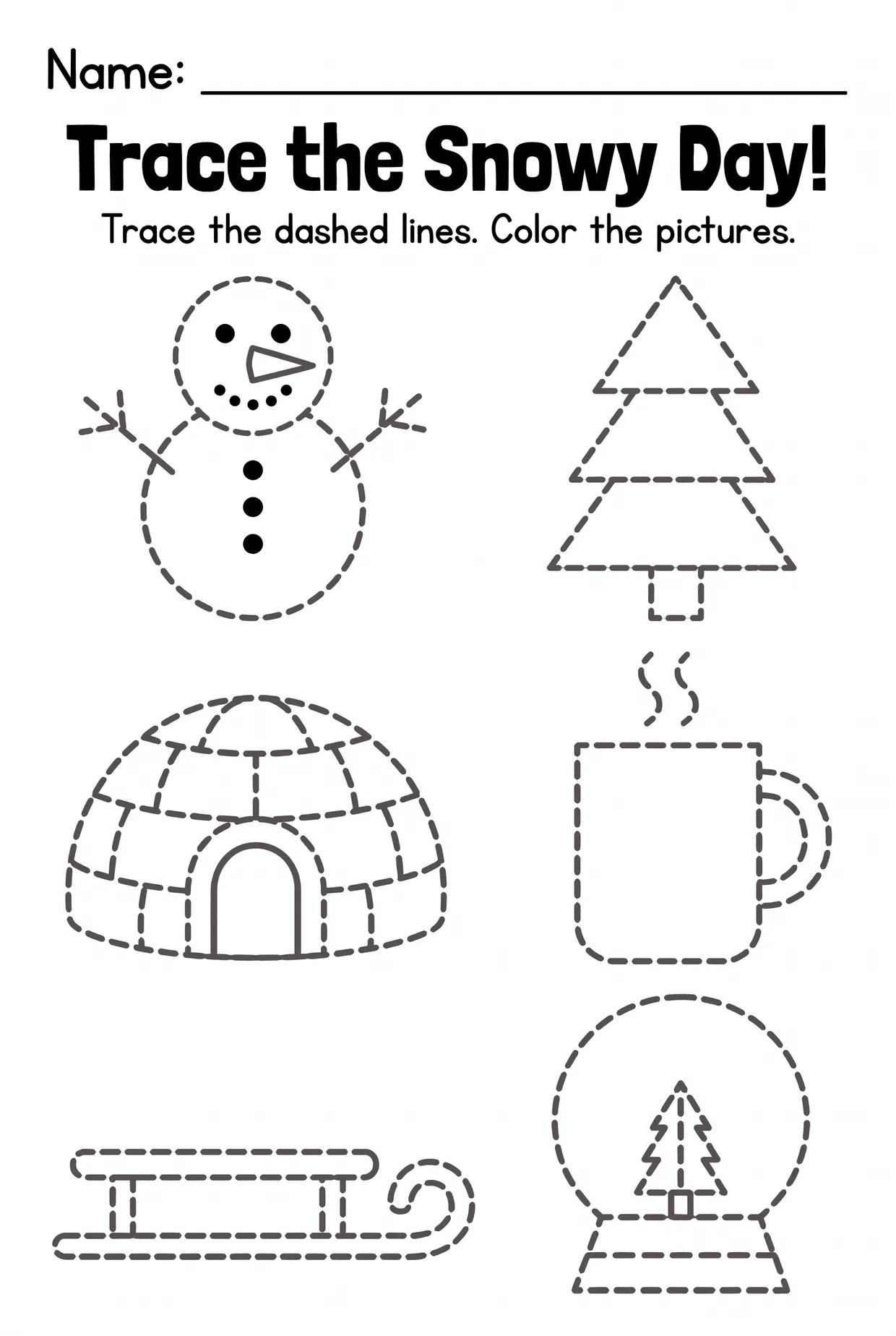
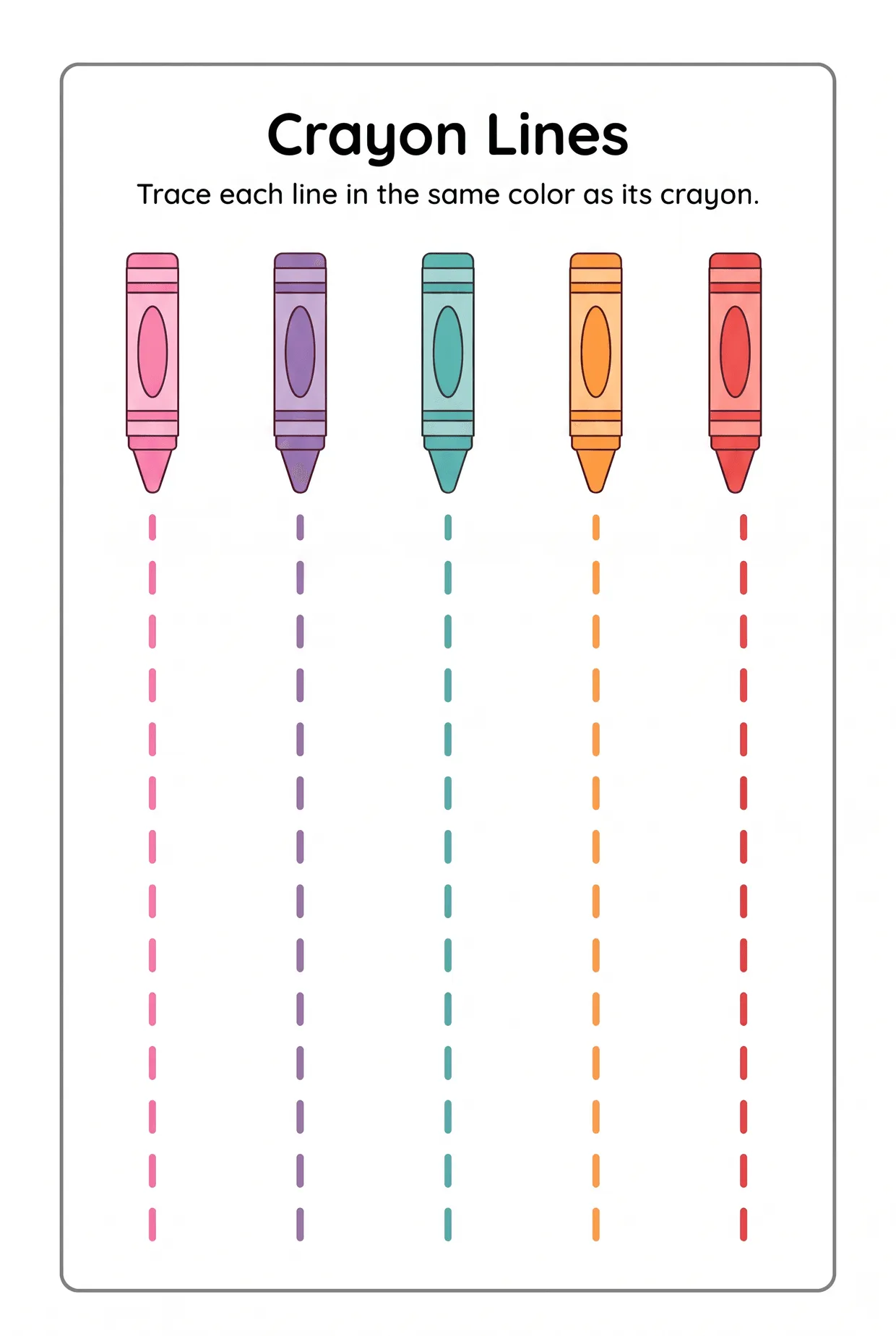
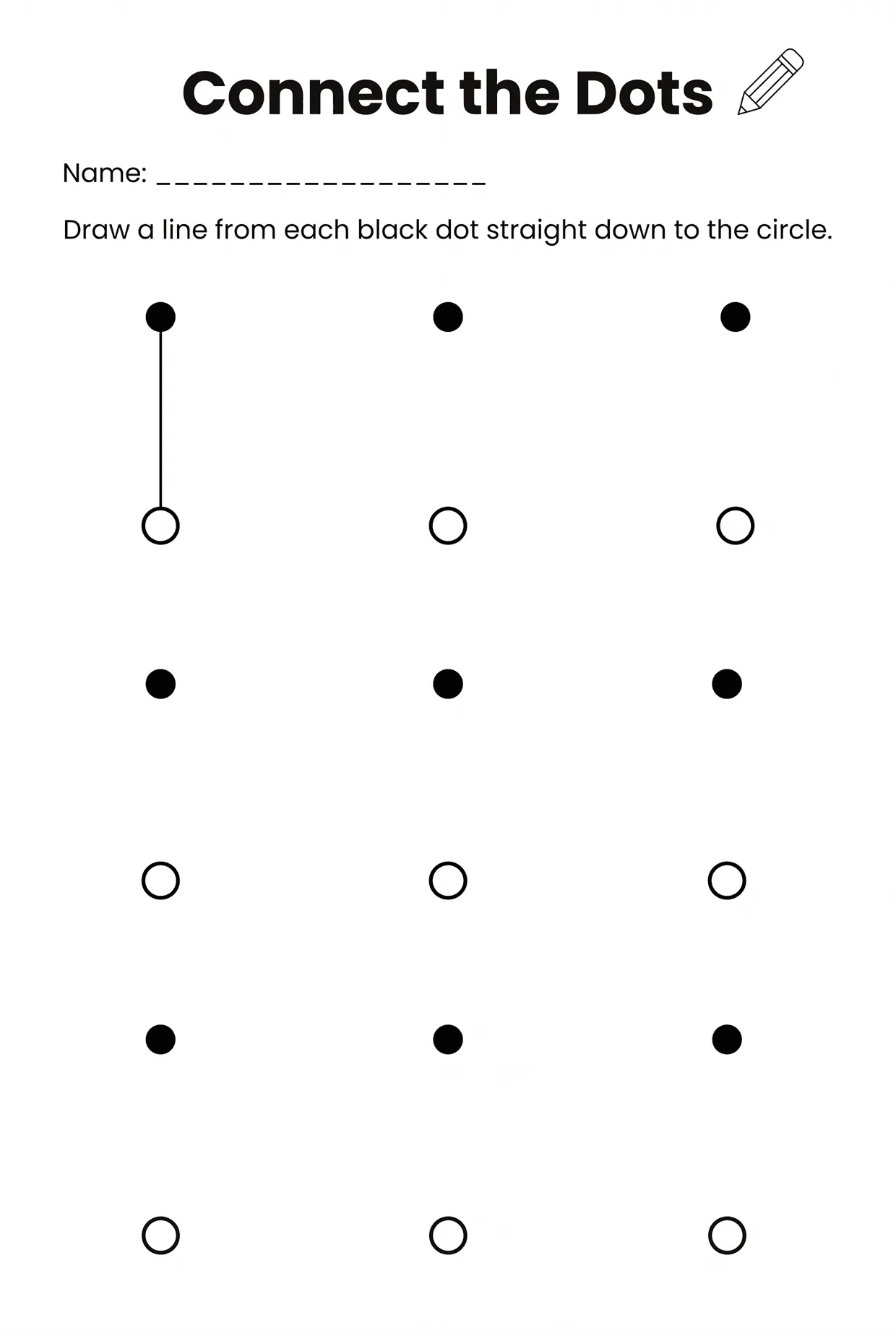
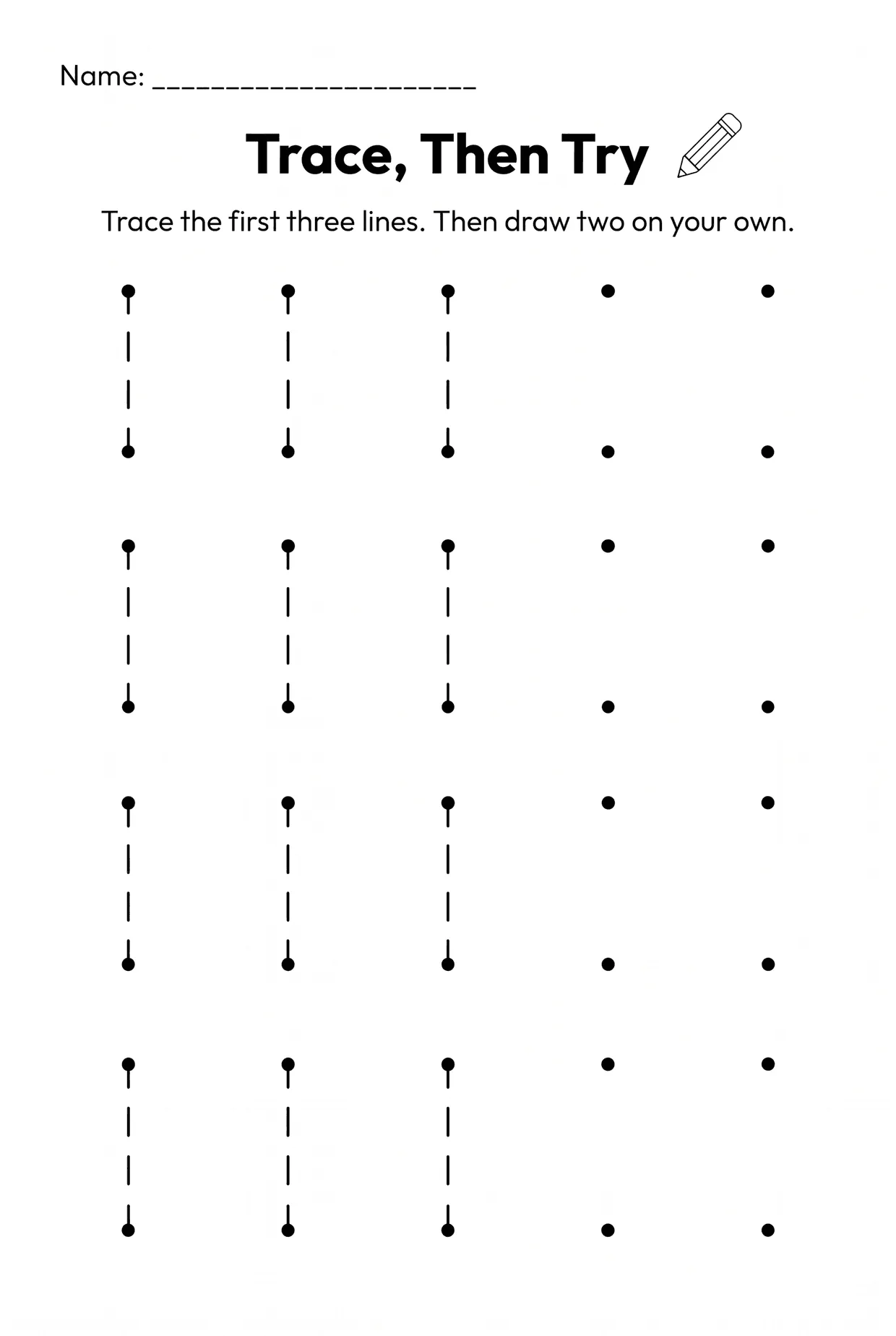
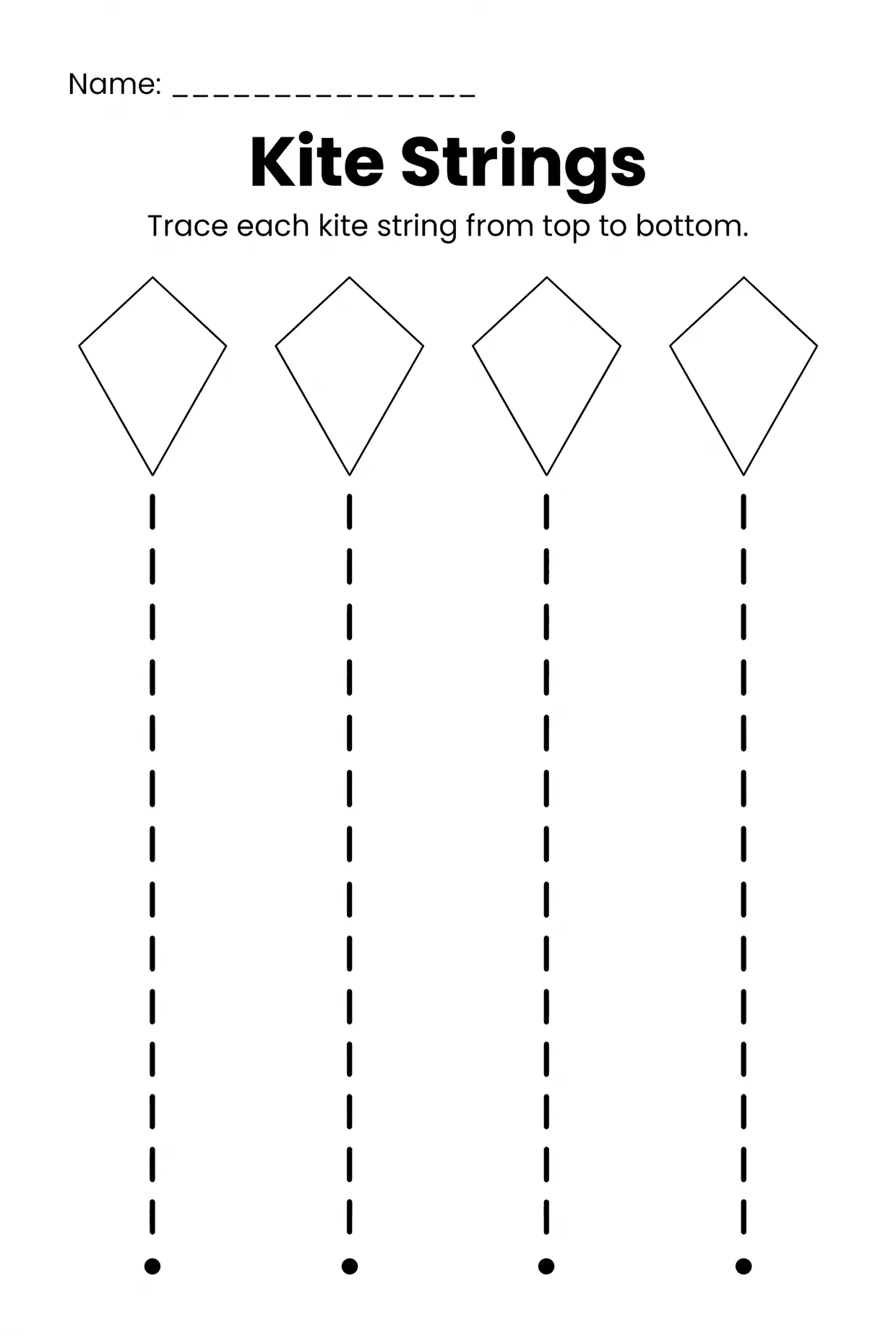
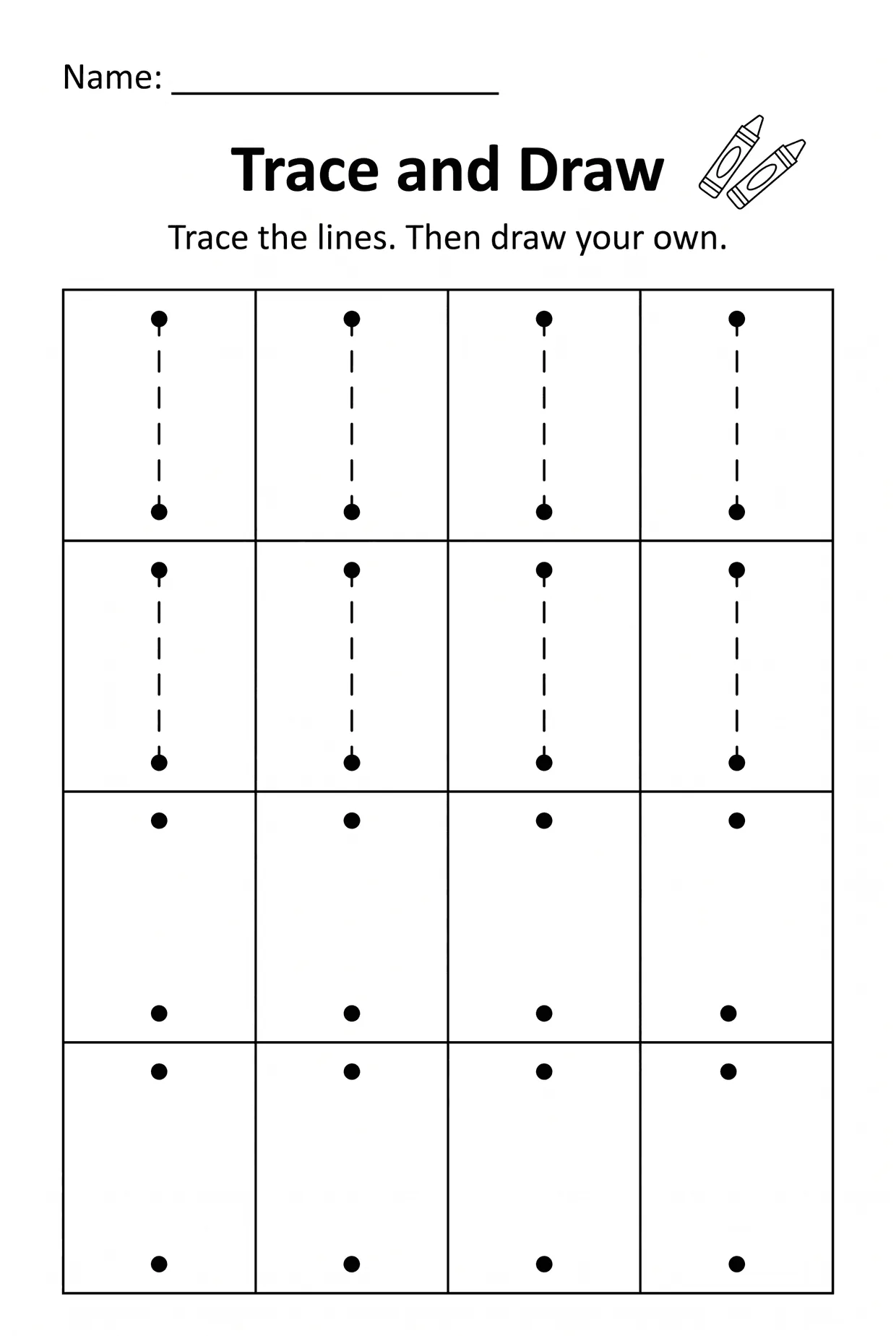
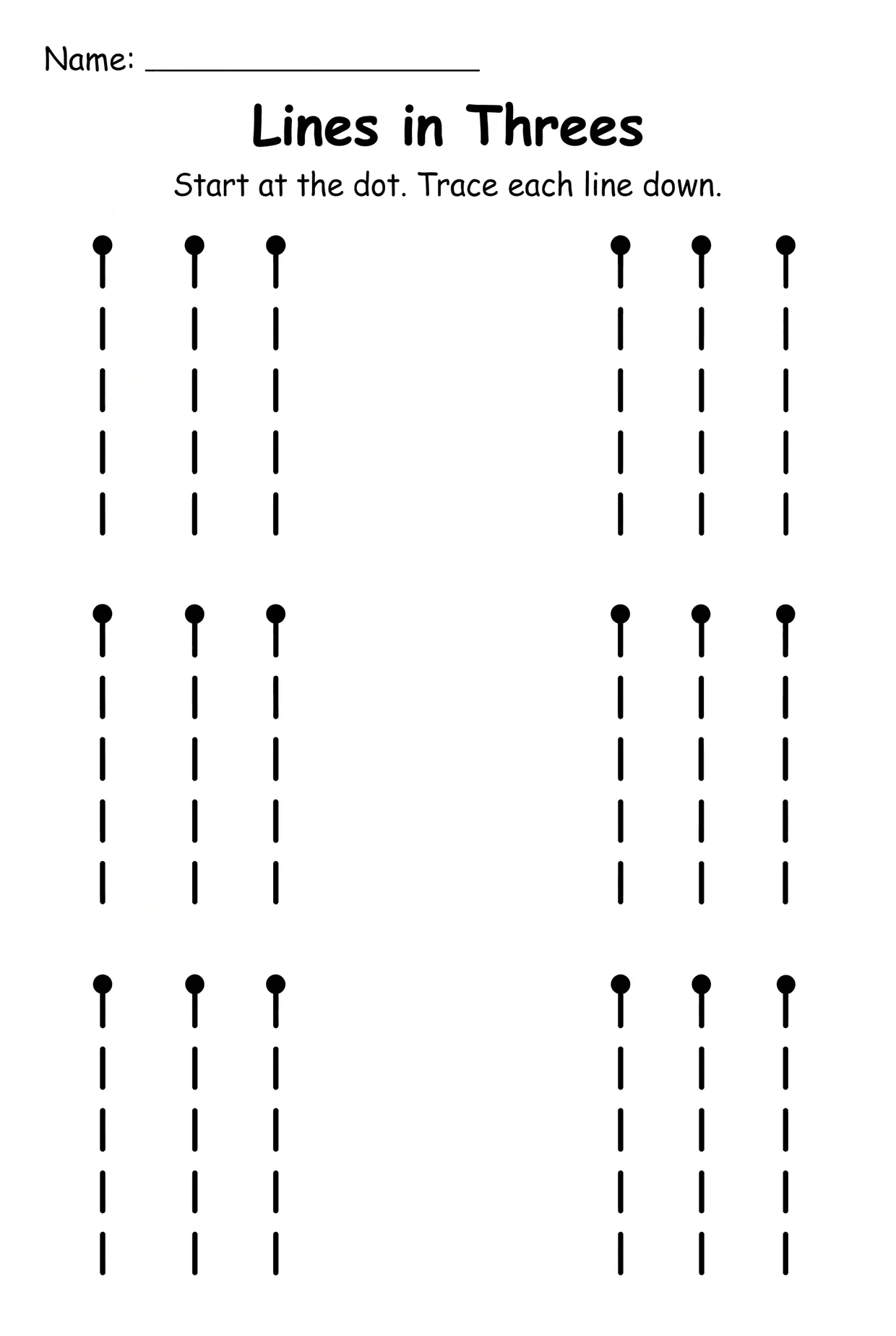
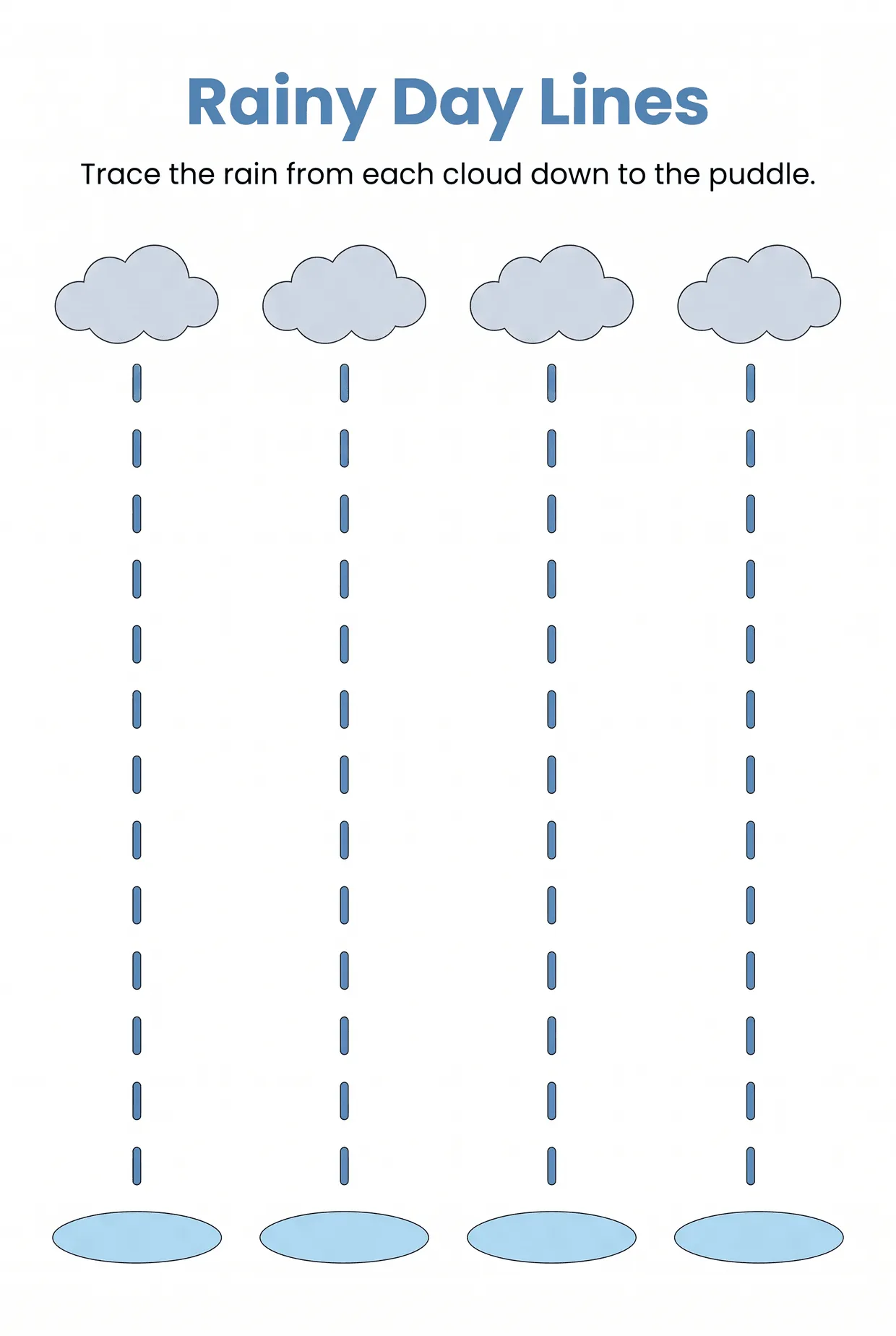
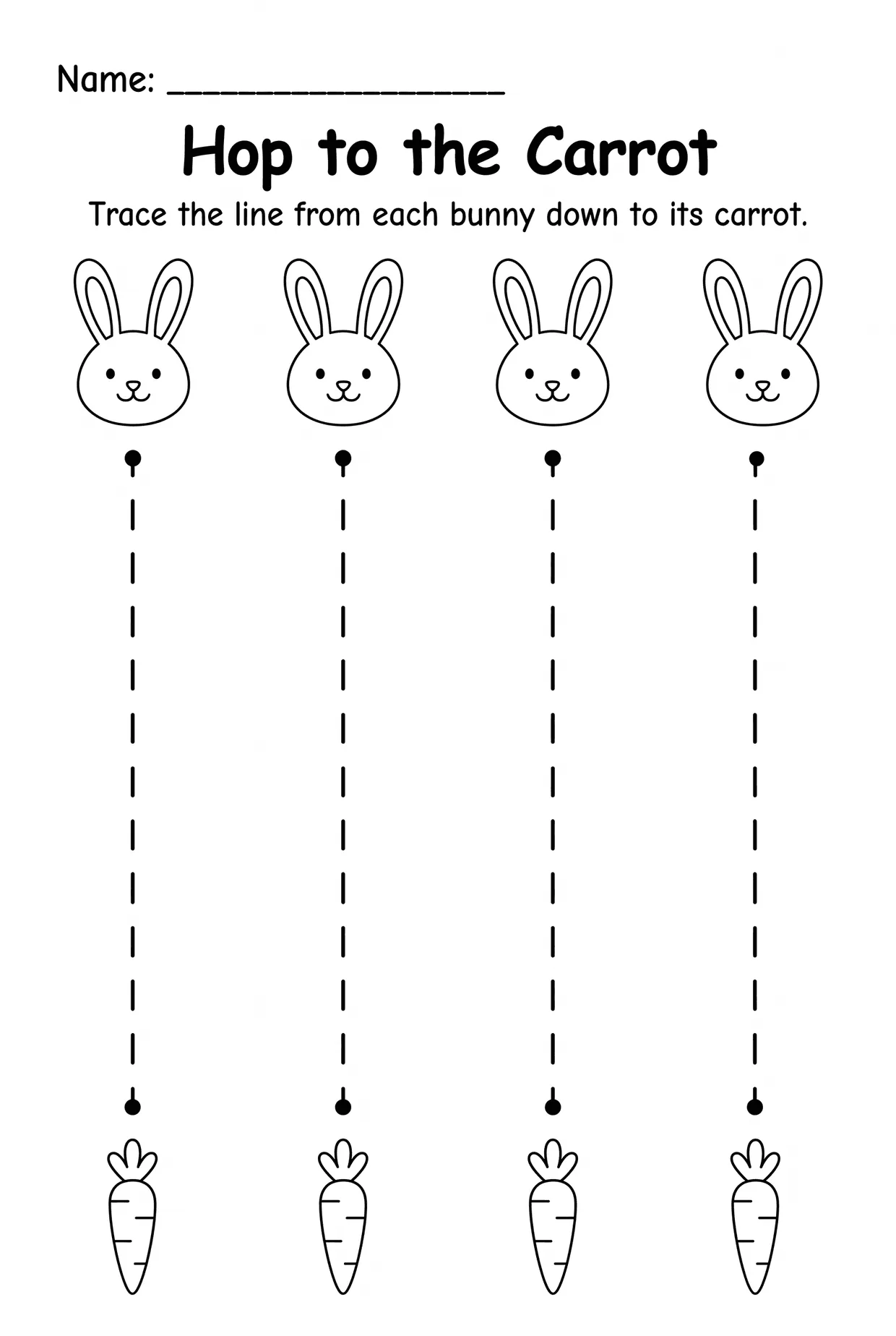
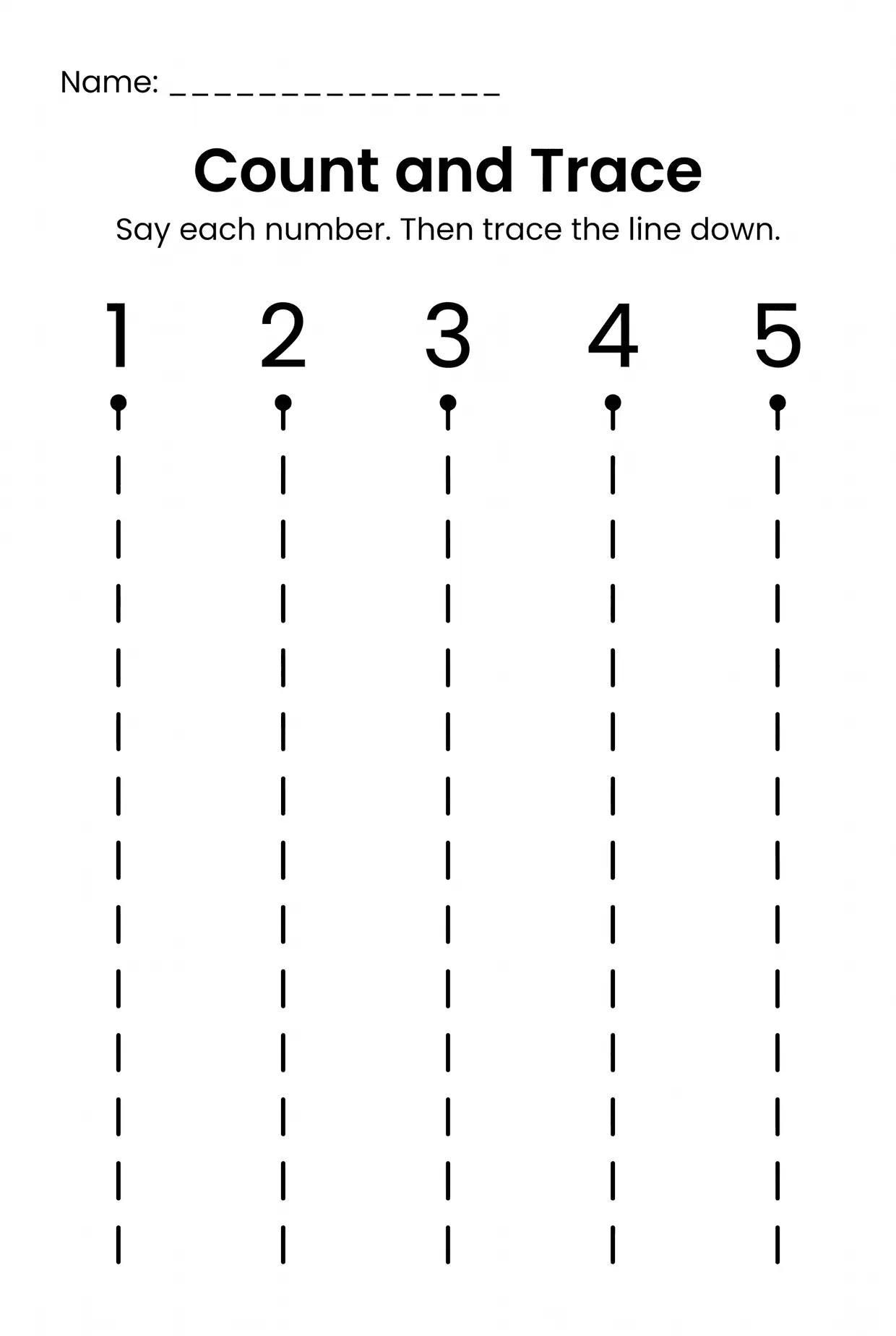
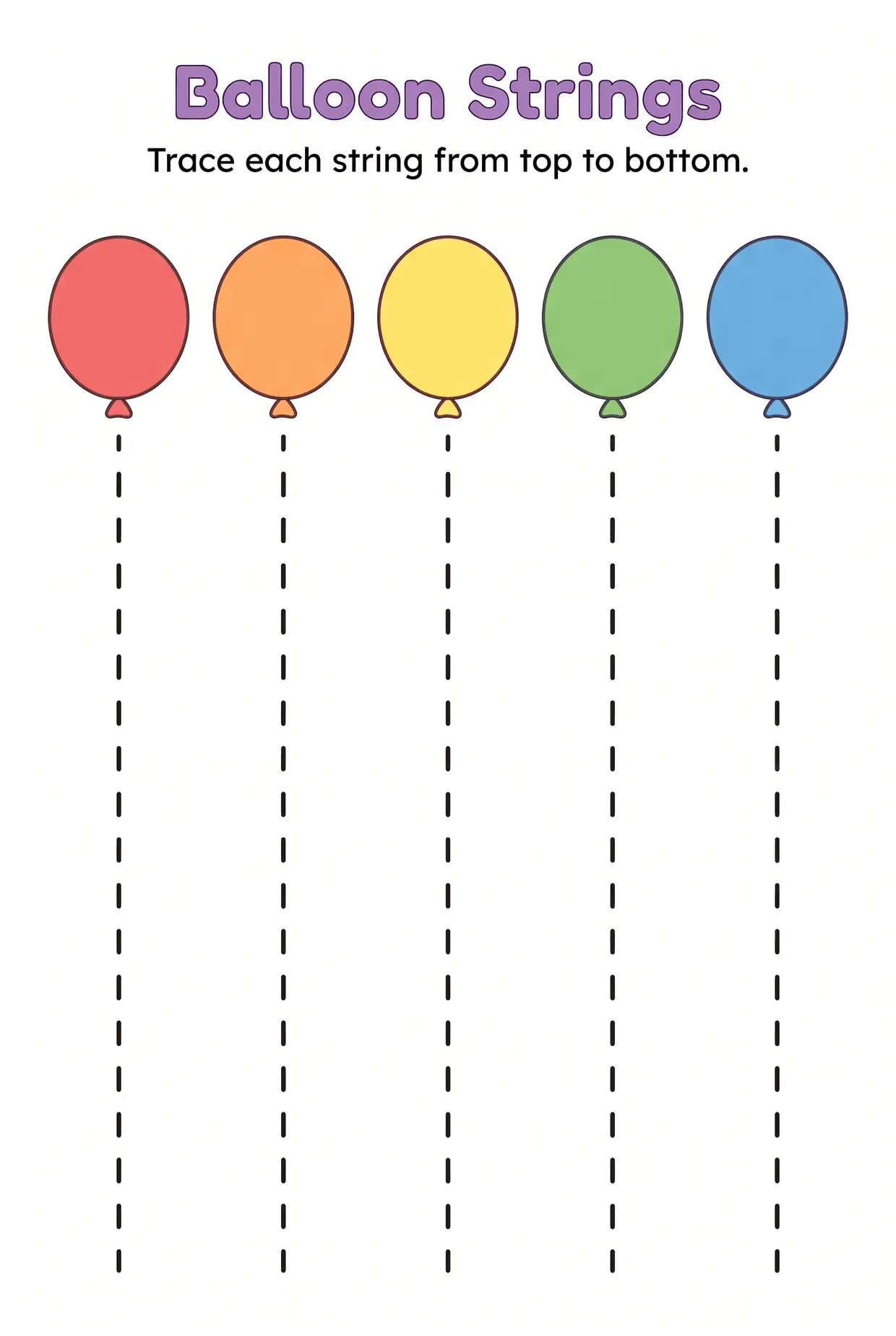
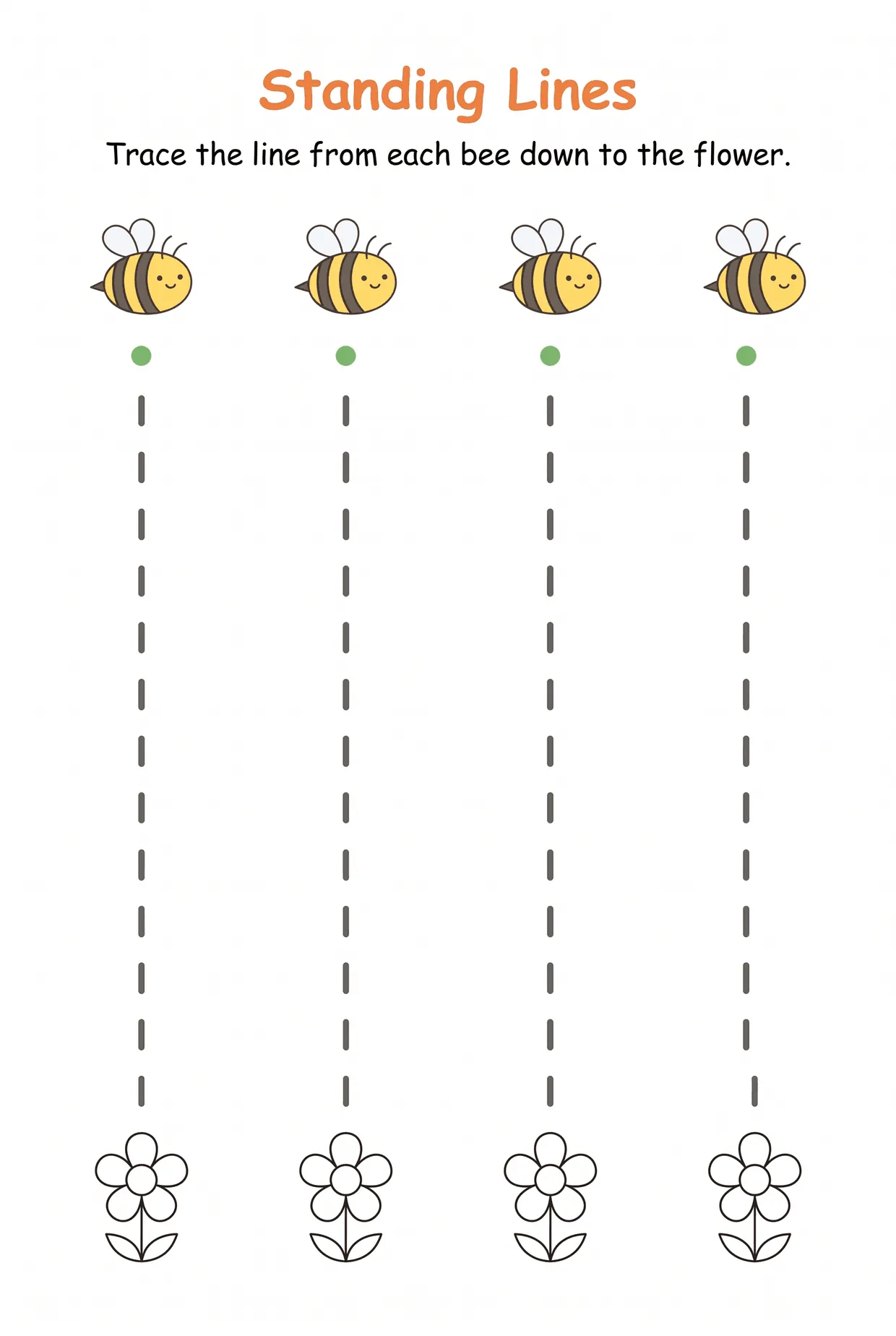
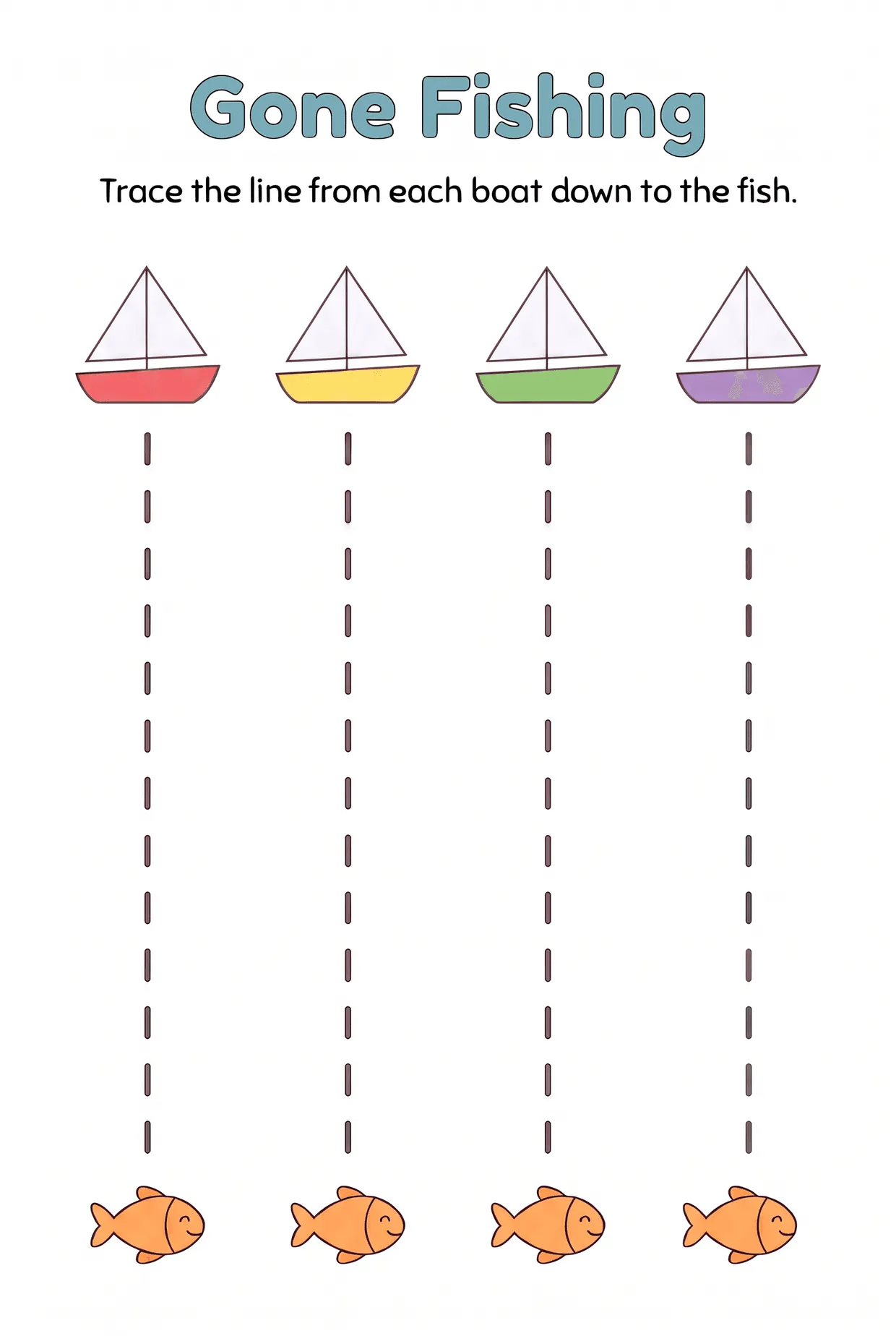
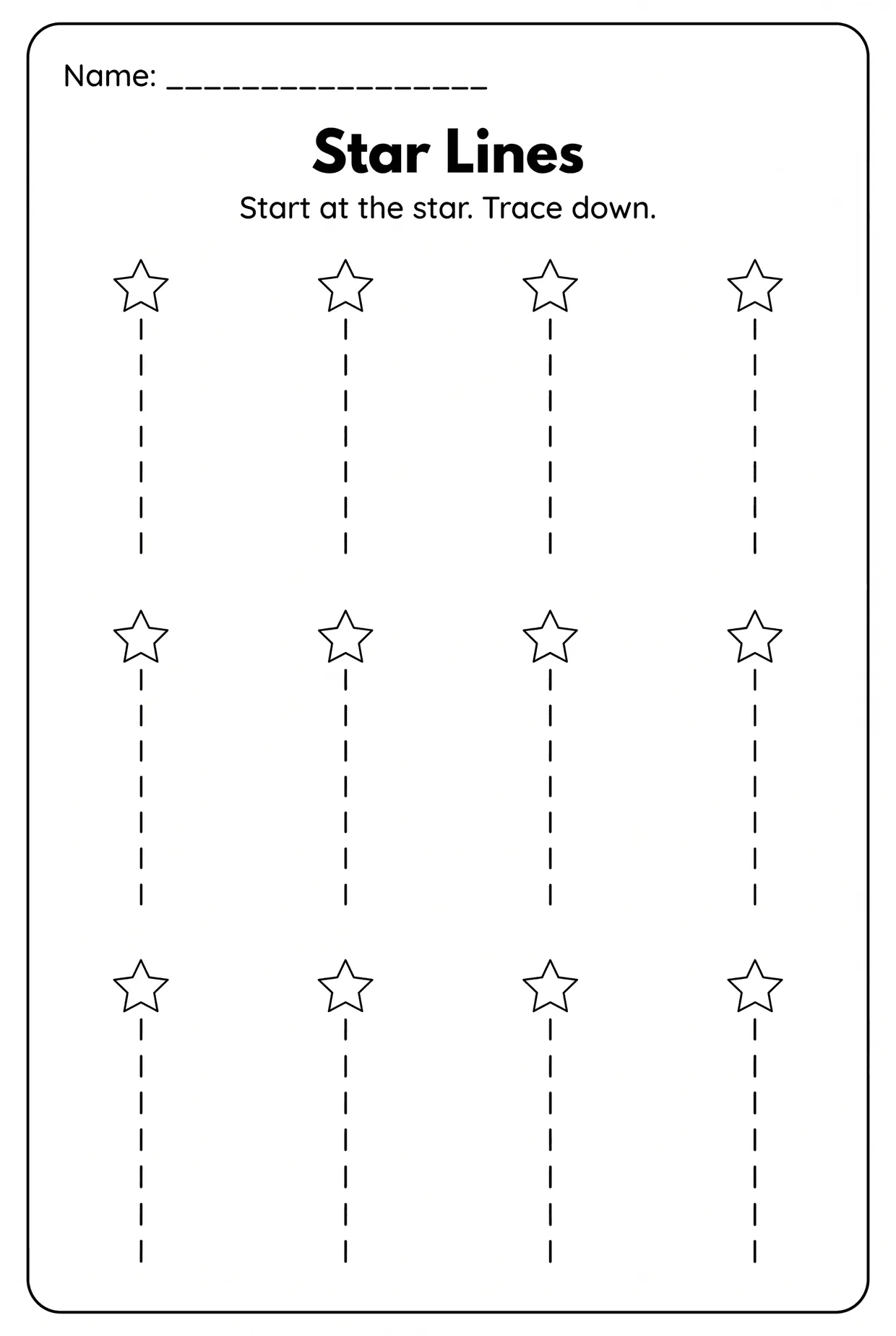
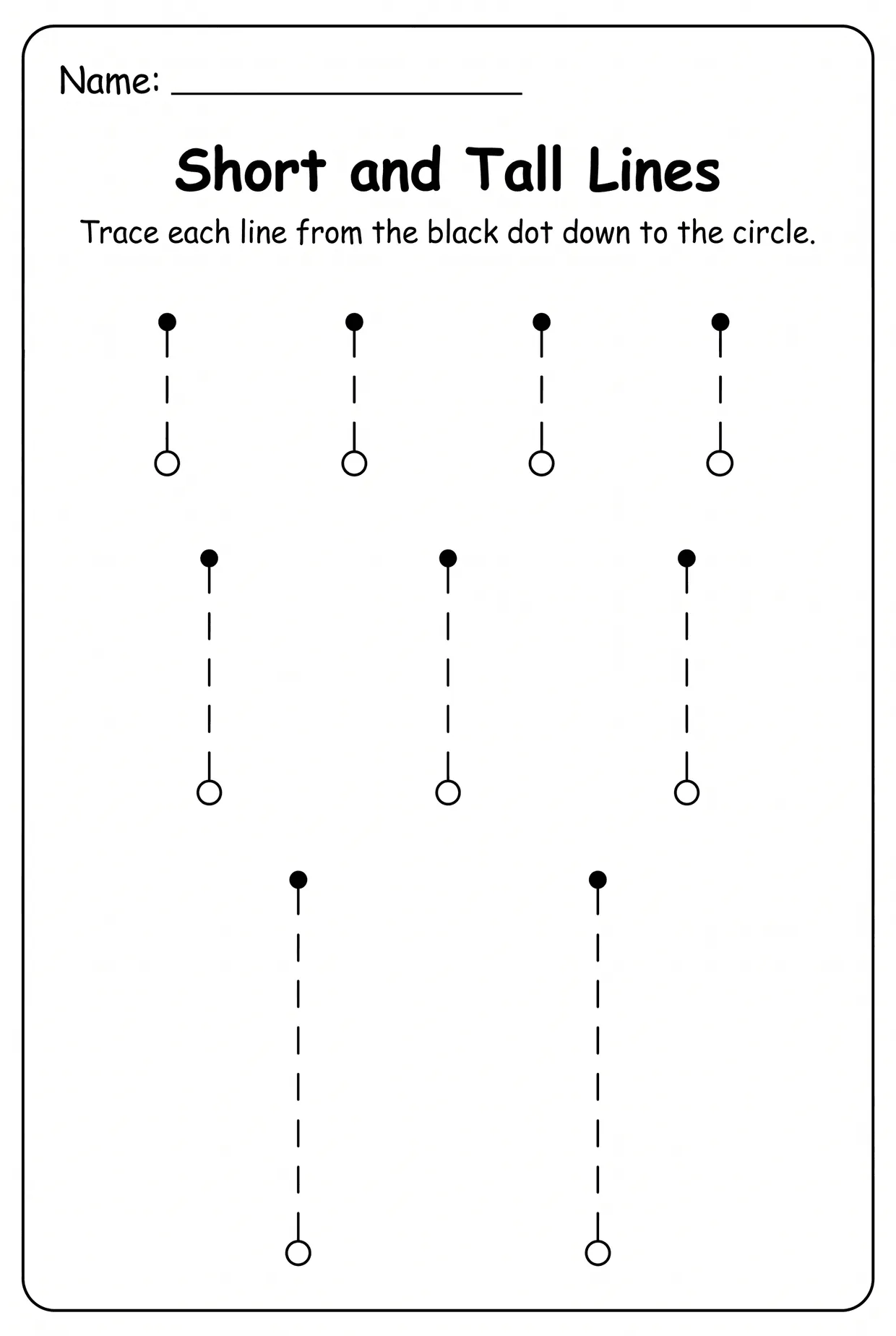
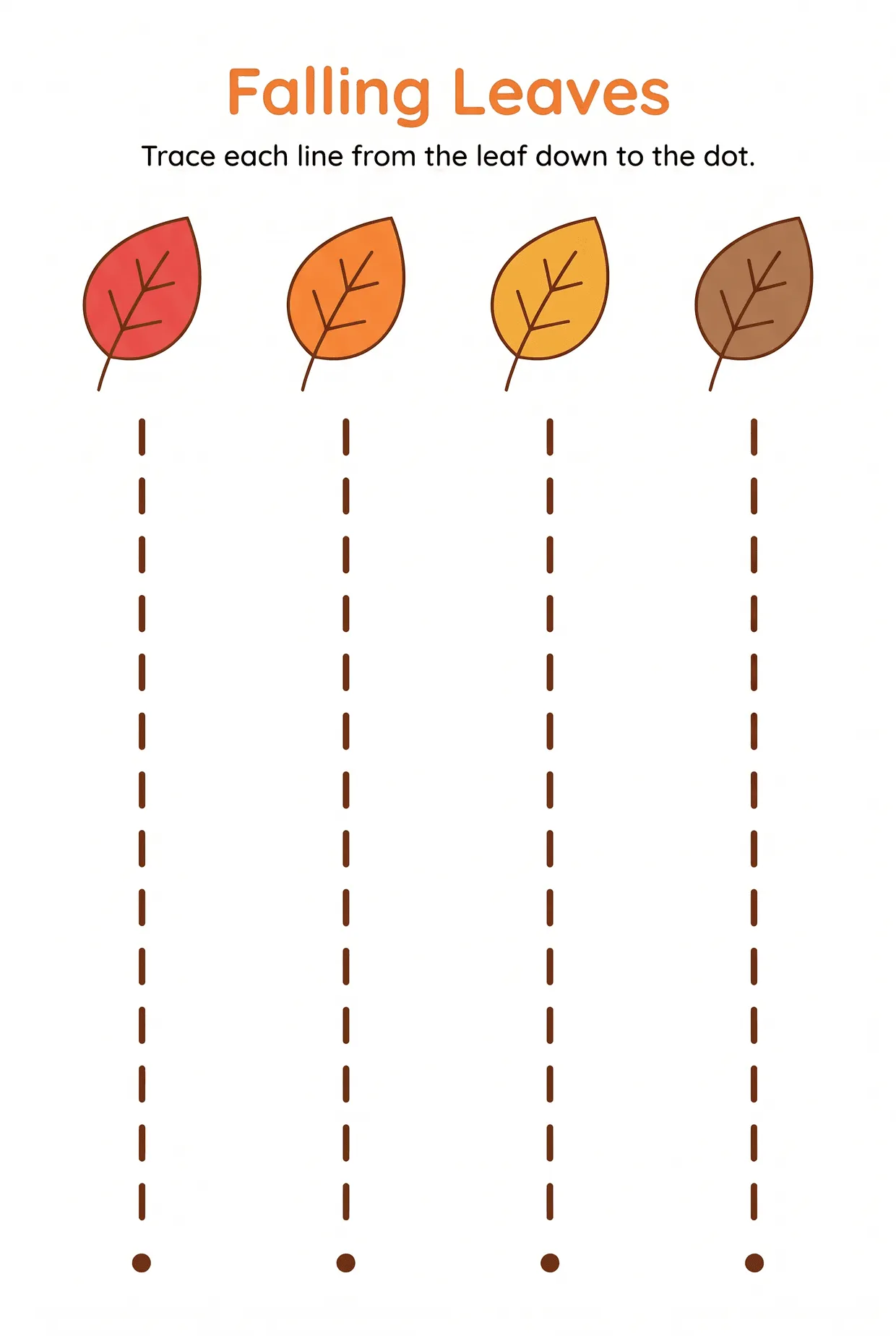
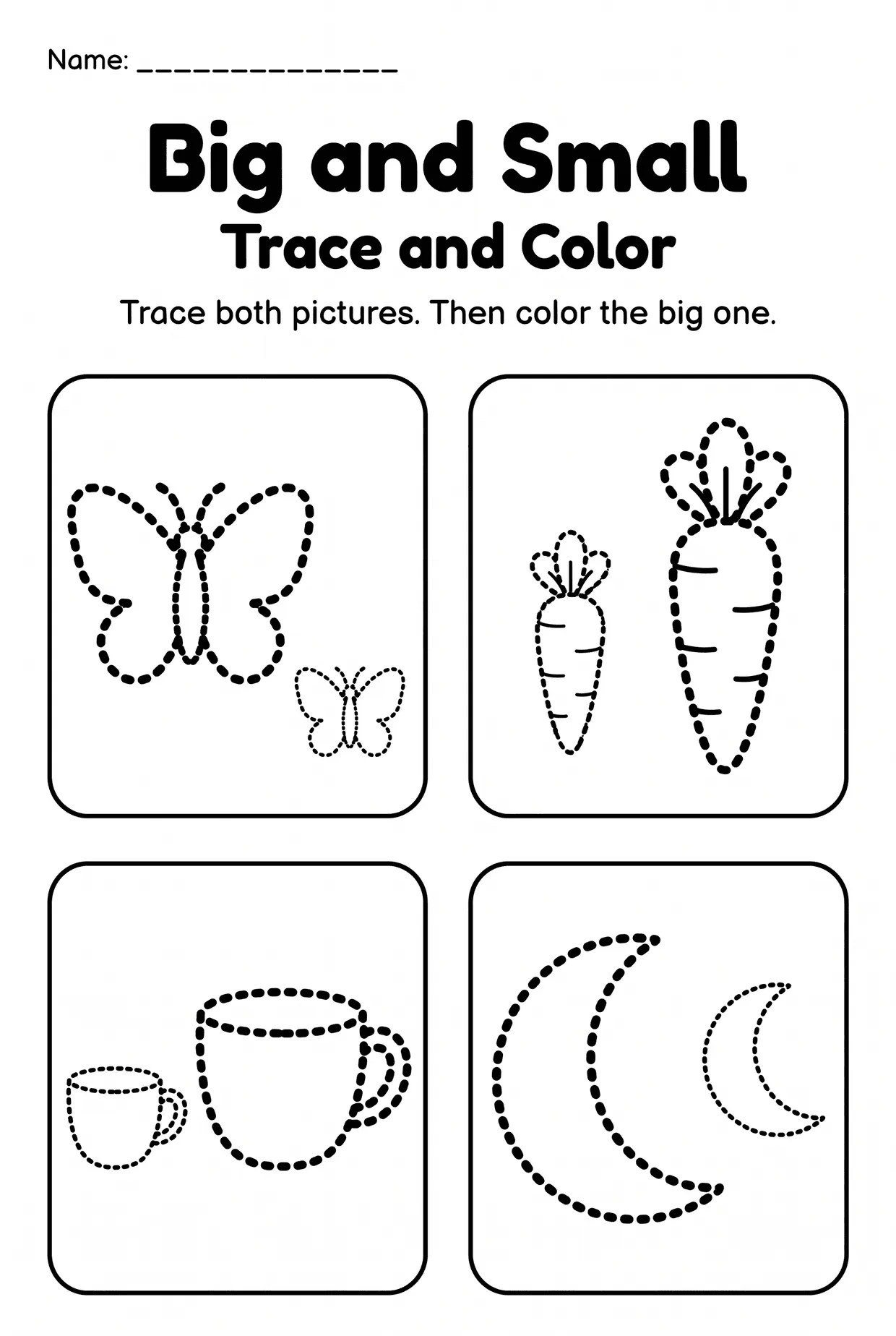
Lines carry most of the early work, because every letter and number is built from them. Standing lines pulled from top to bottom, like a bee flying down to its flower or a string hanging from a kite, are the movement that l, t and b start with. Wavy and zigzag penguin paths add the turns that curves and diagonals need, and picture pages where tracing a dashed outline finishes a snowman or a farm animal let a child practice those strokes almost without noticing.

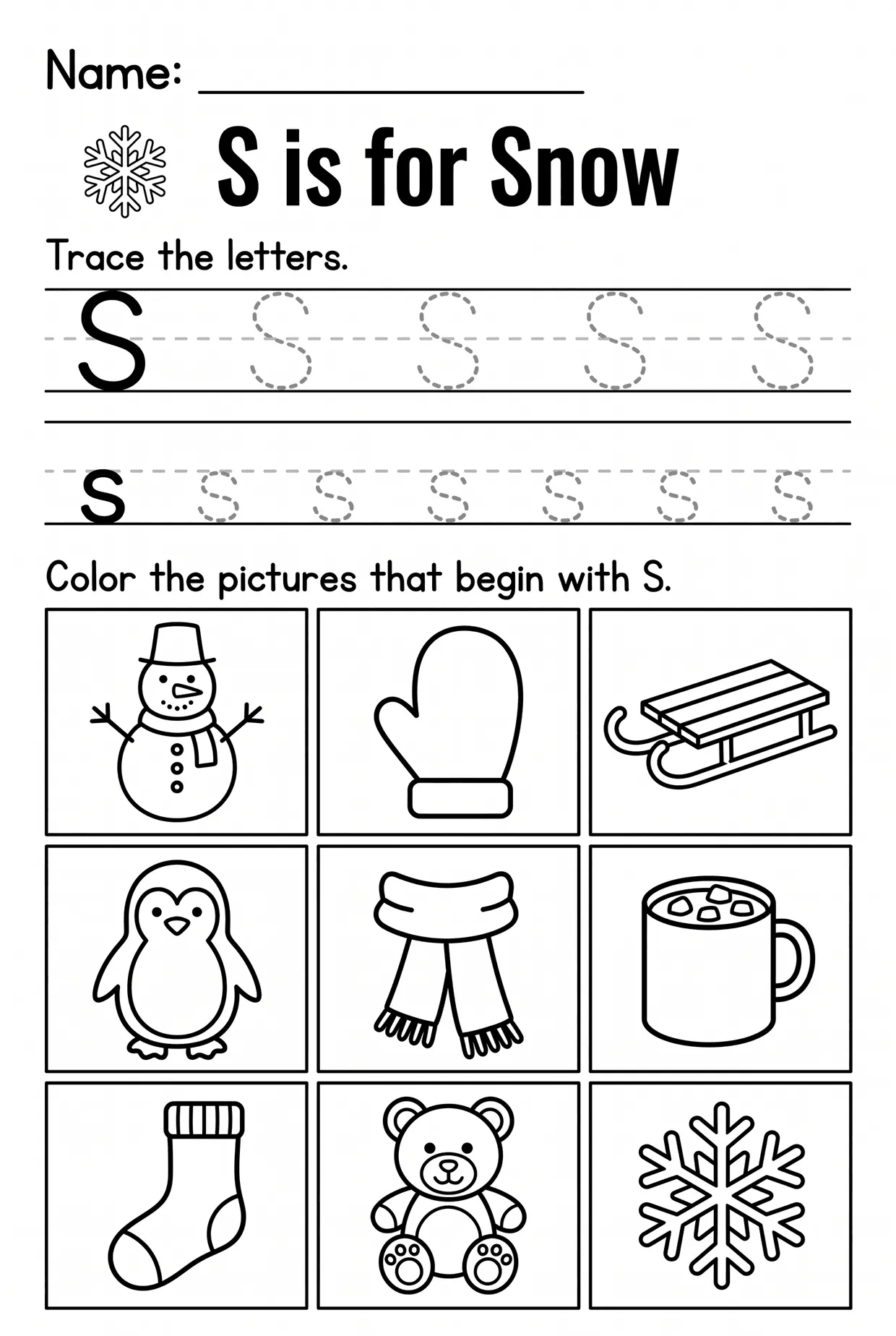
Every letter from A to Z gets a sheet of its own, with a big and a small letter to trace and a picture to color, so the strokes from the line pages start turning into letters a child can name and say.

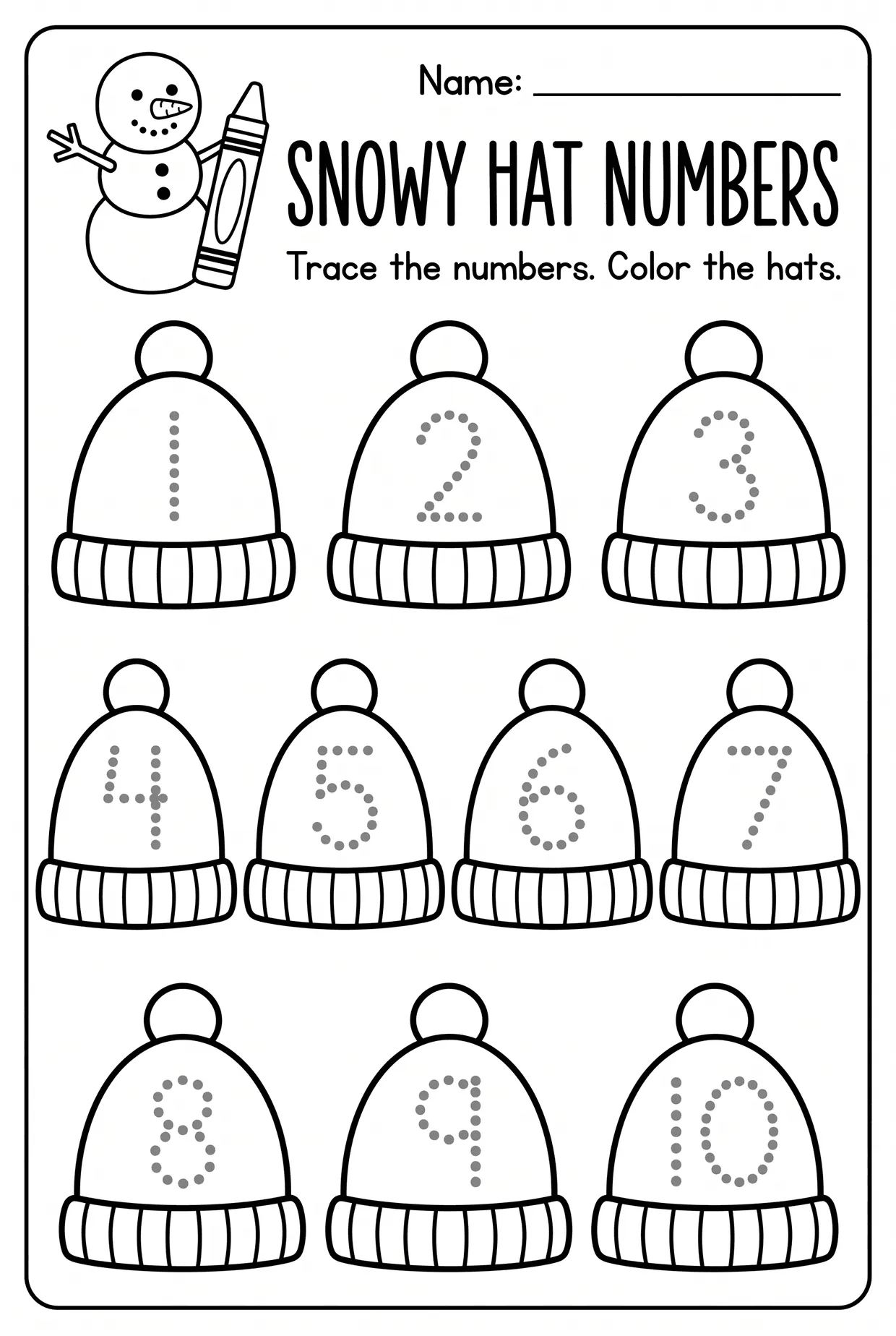
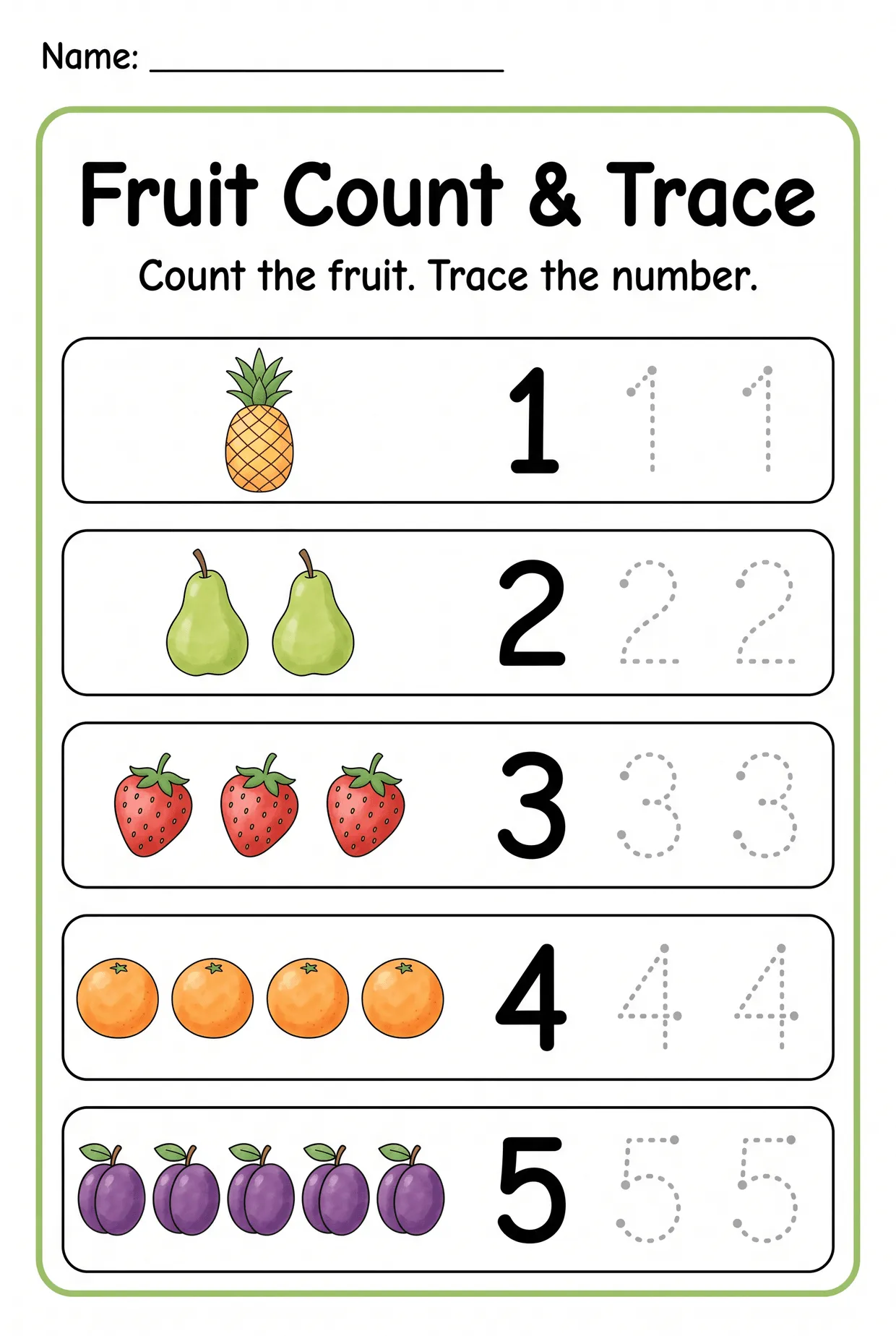
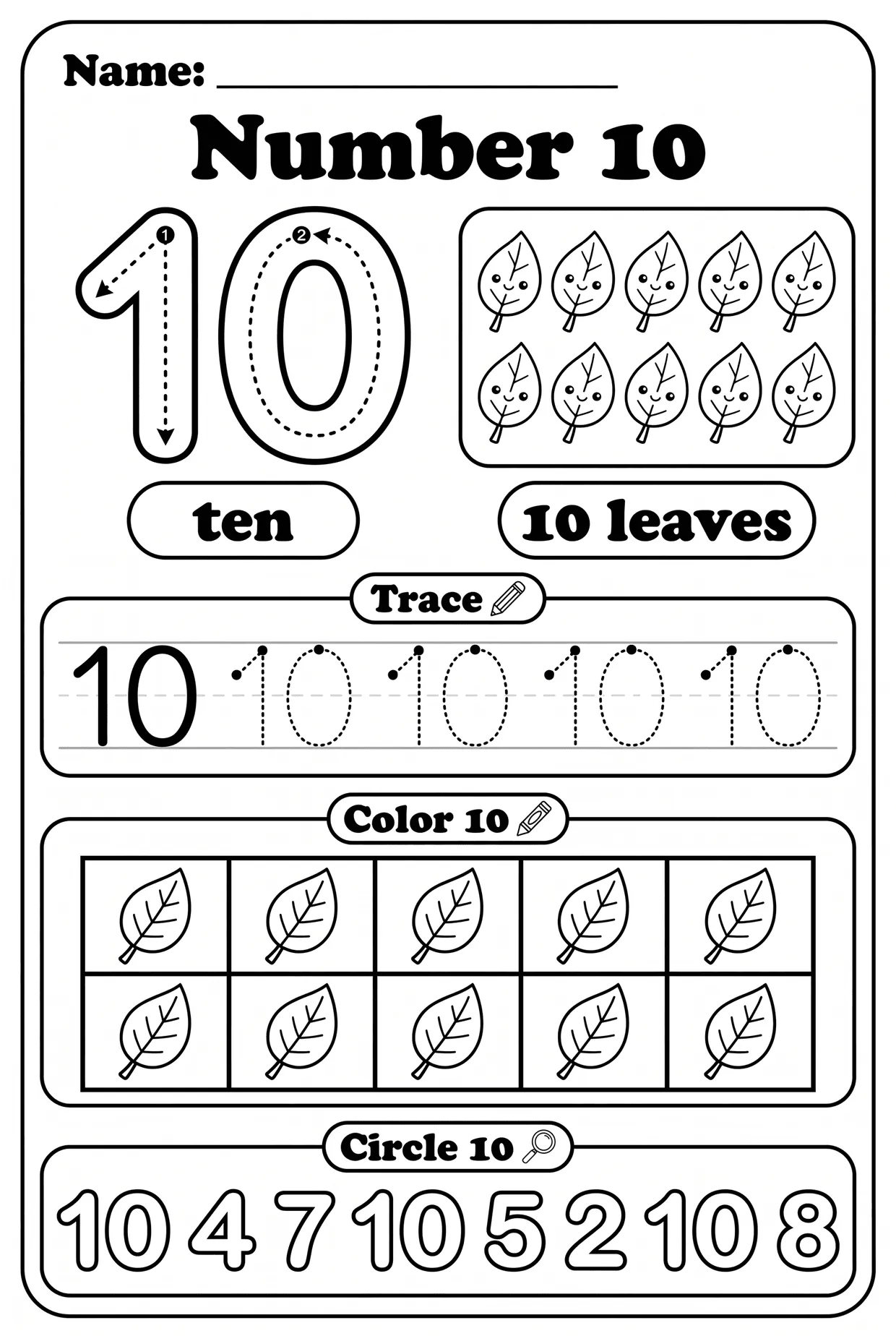
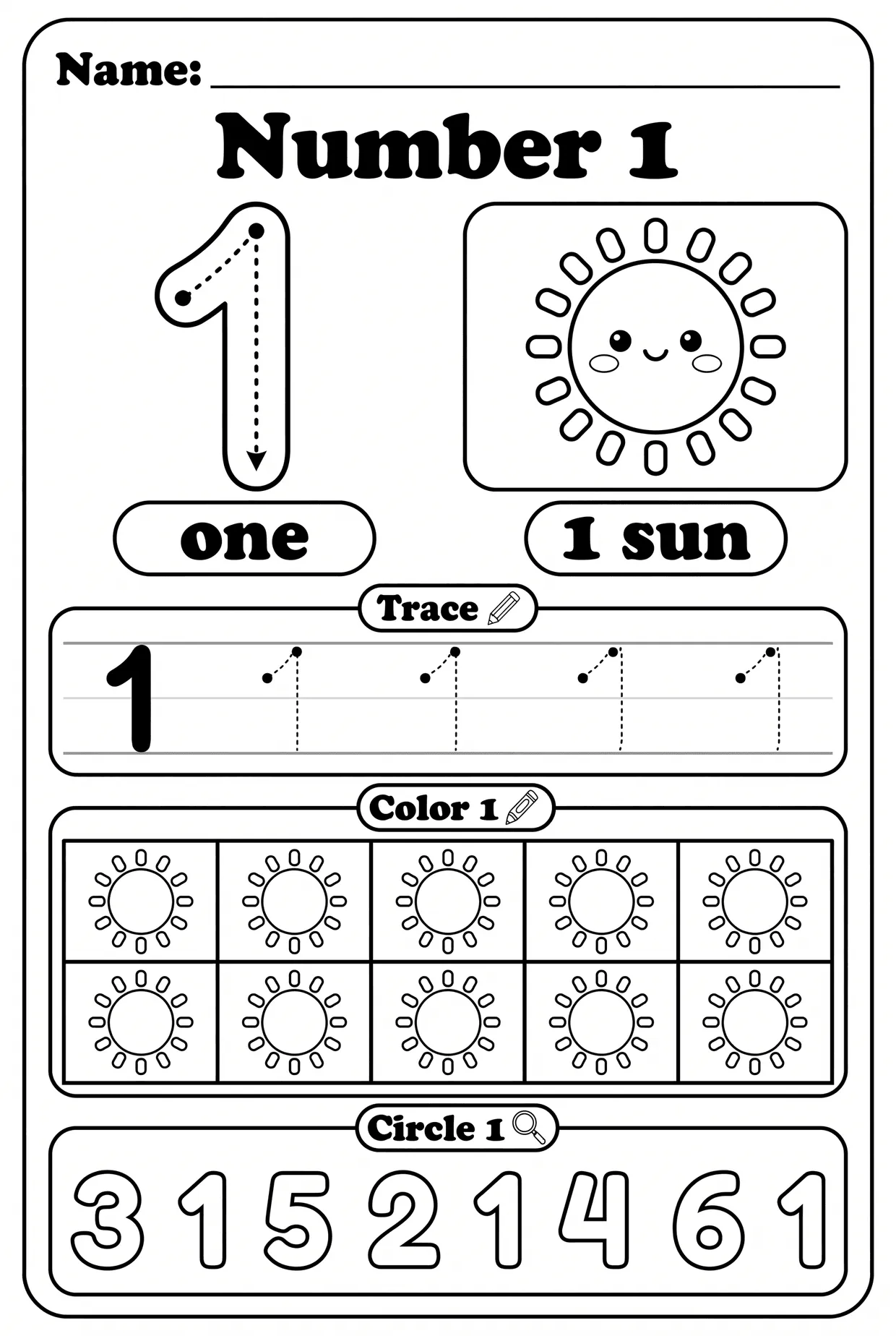
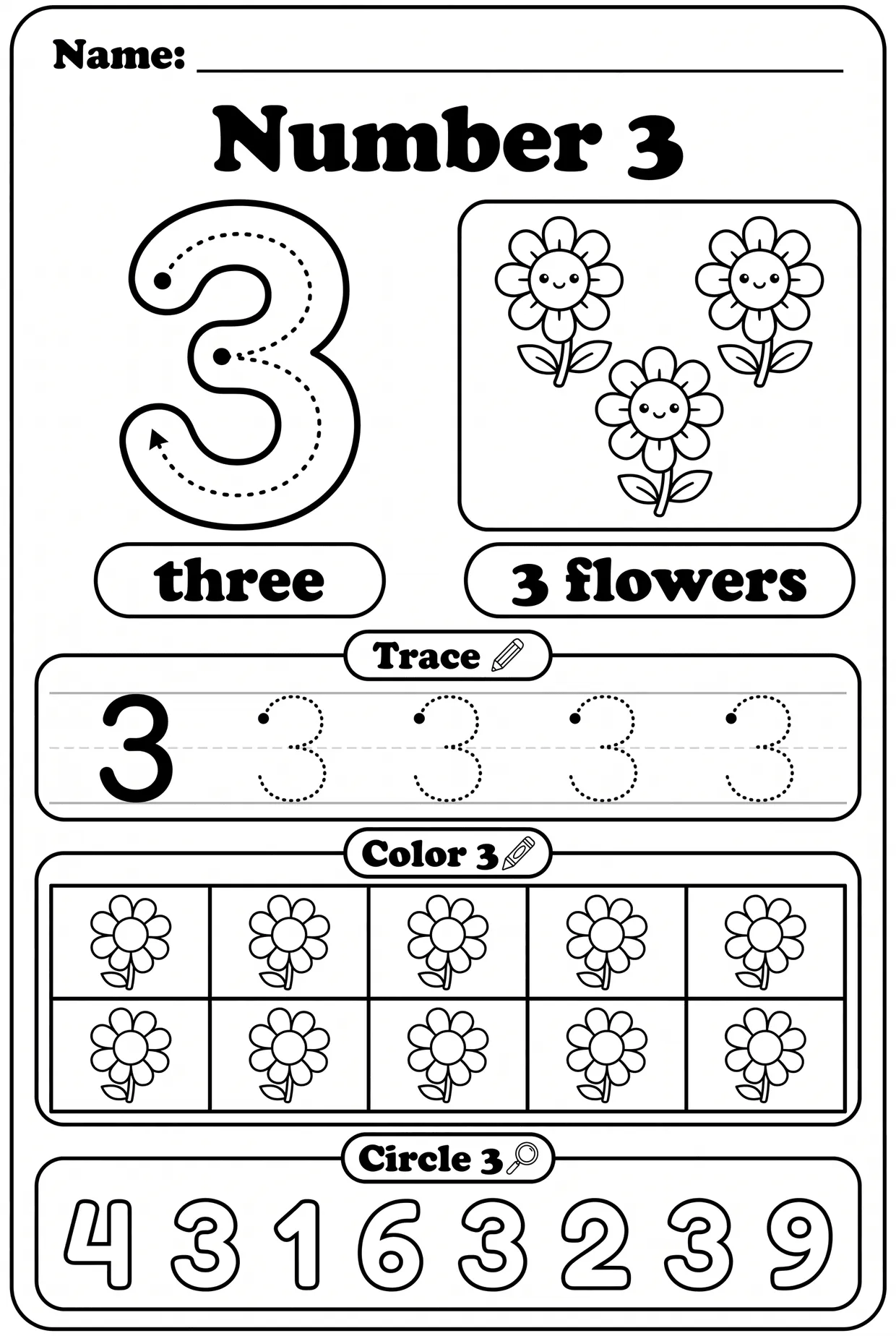
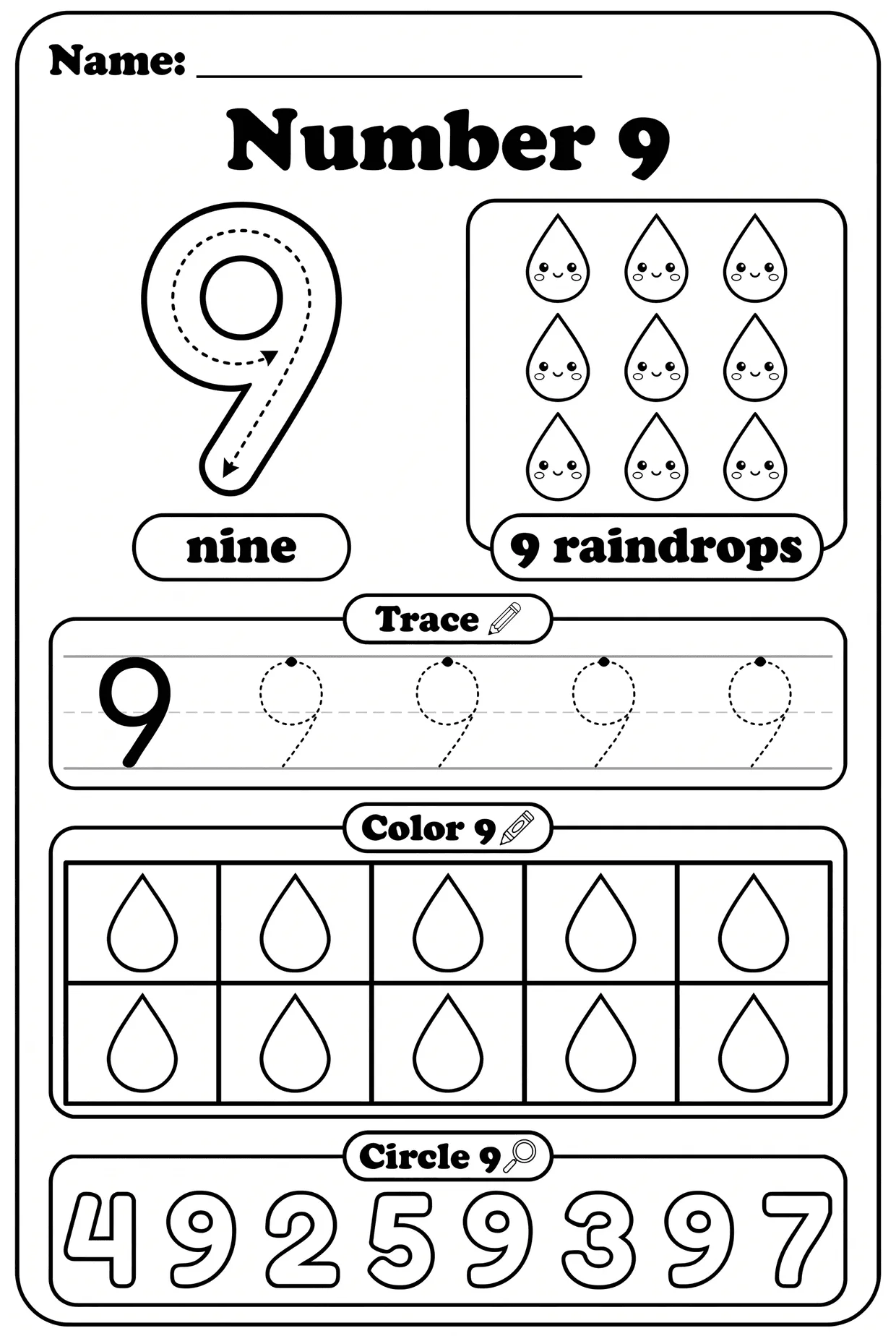
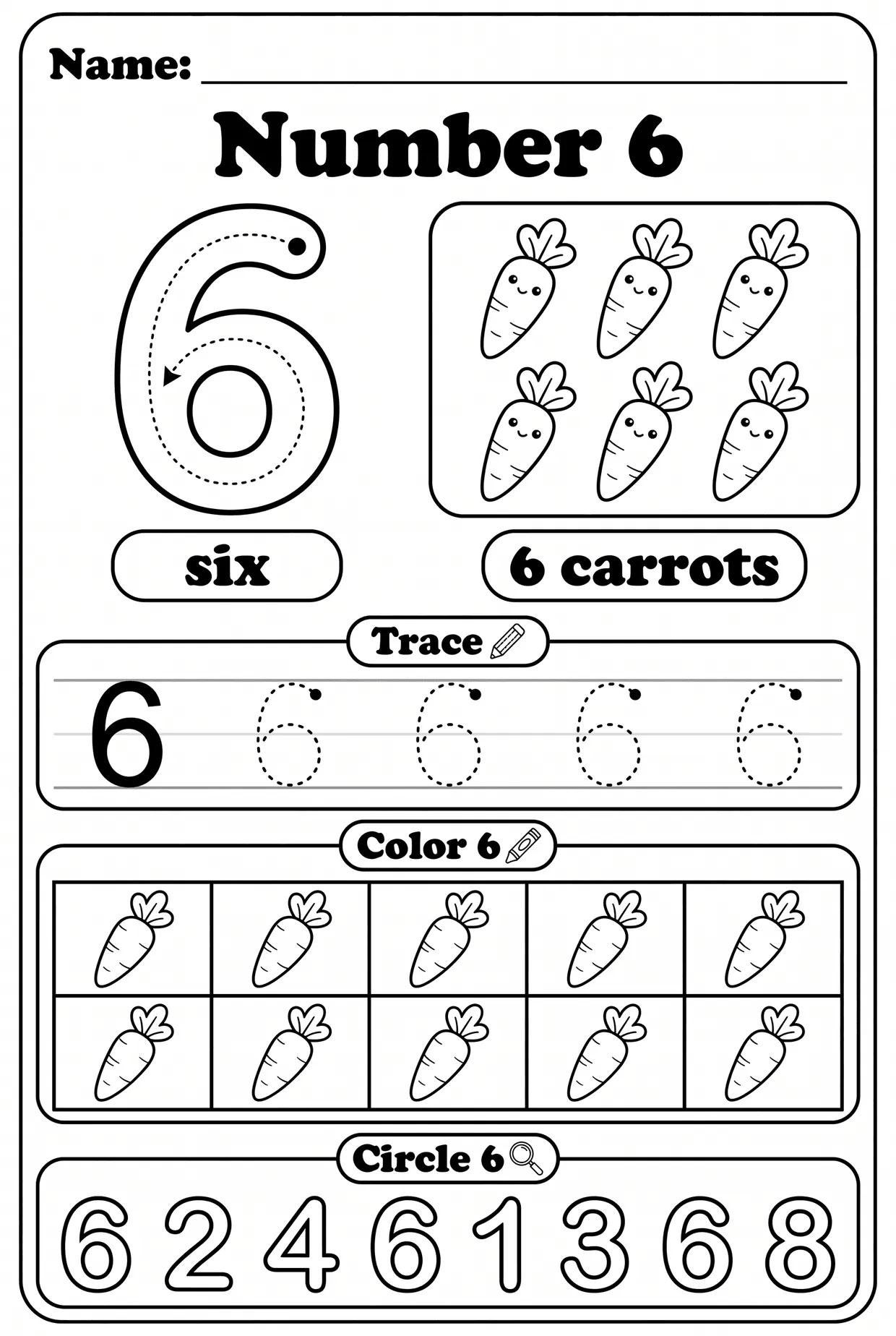
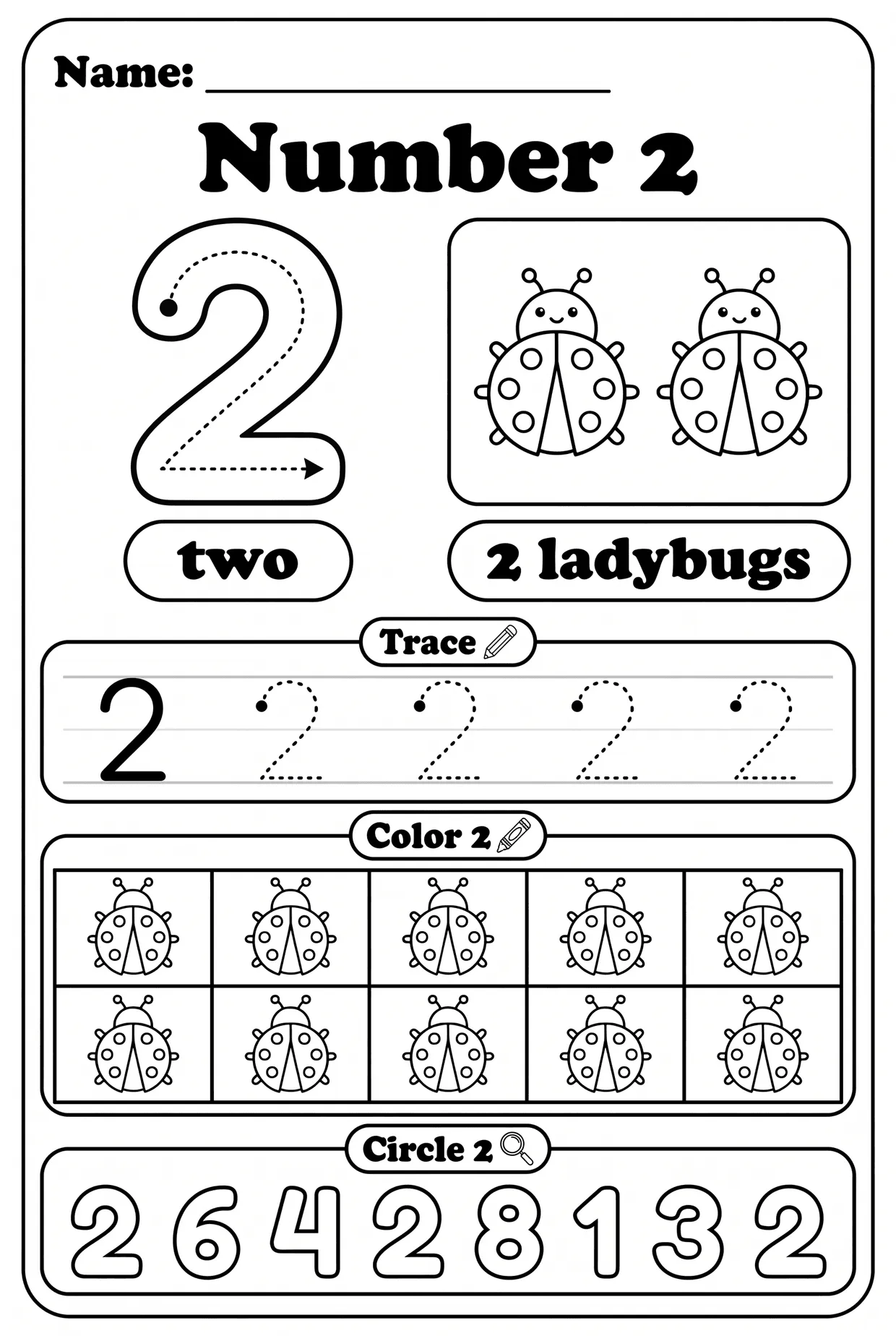
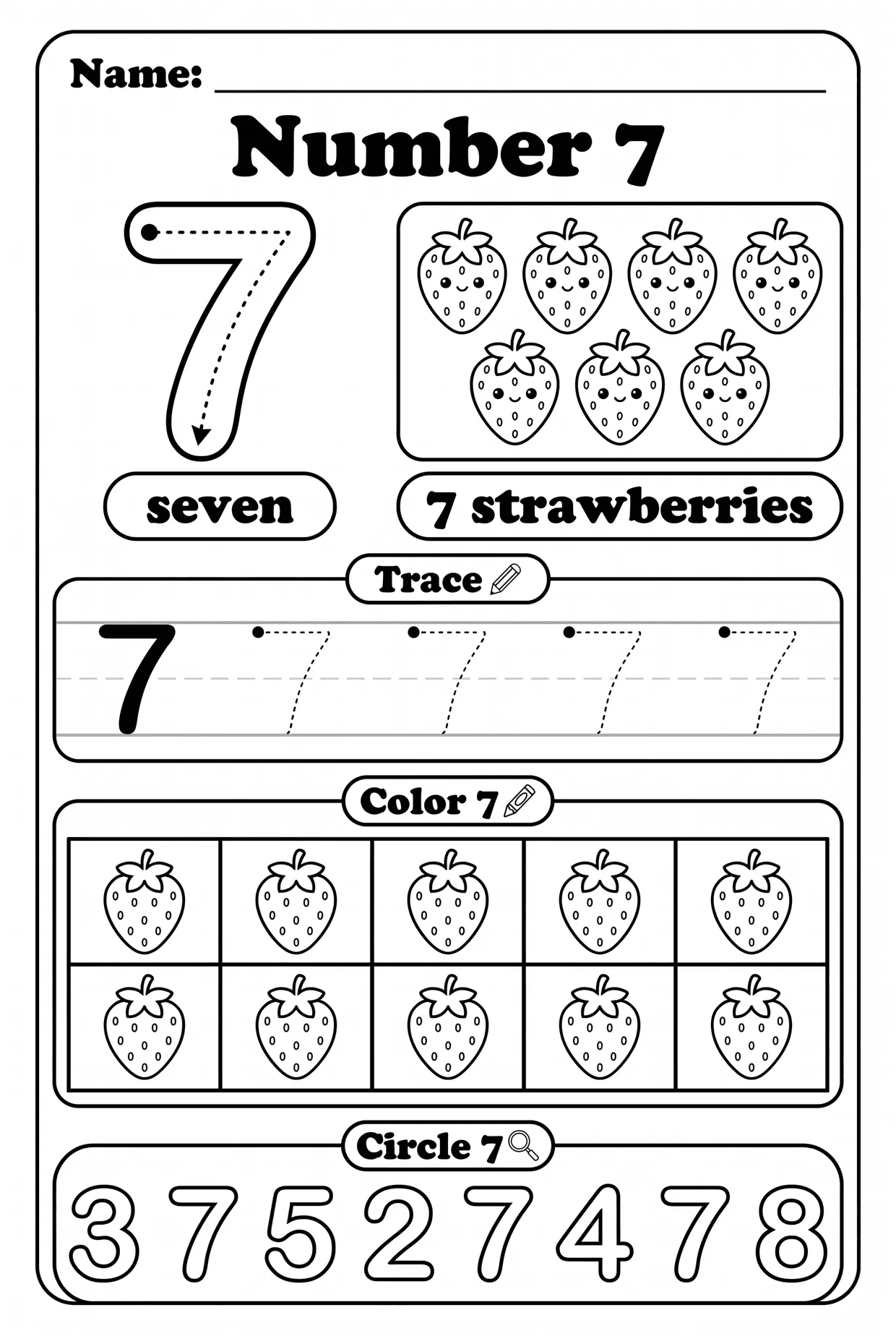
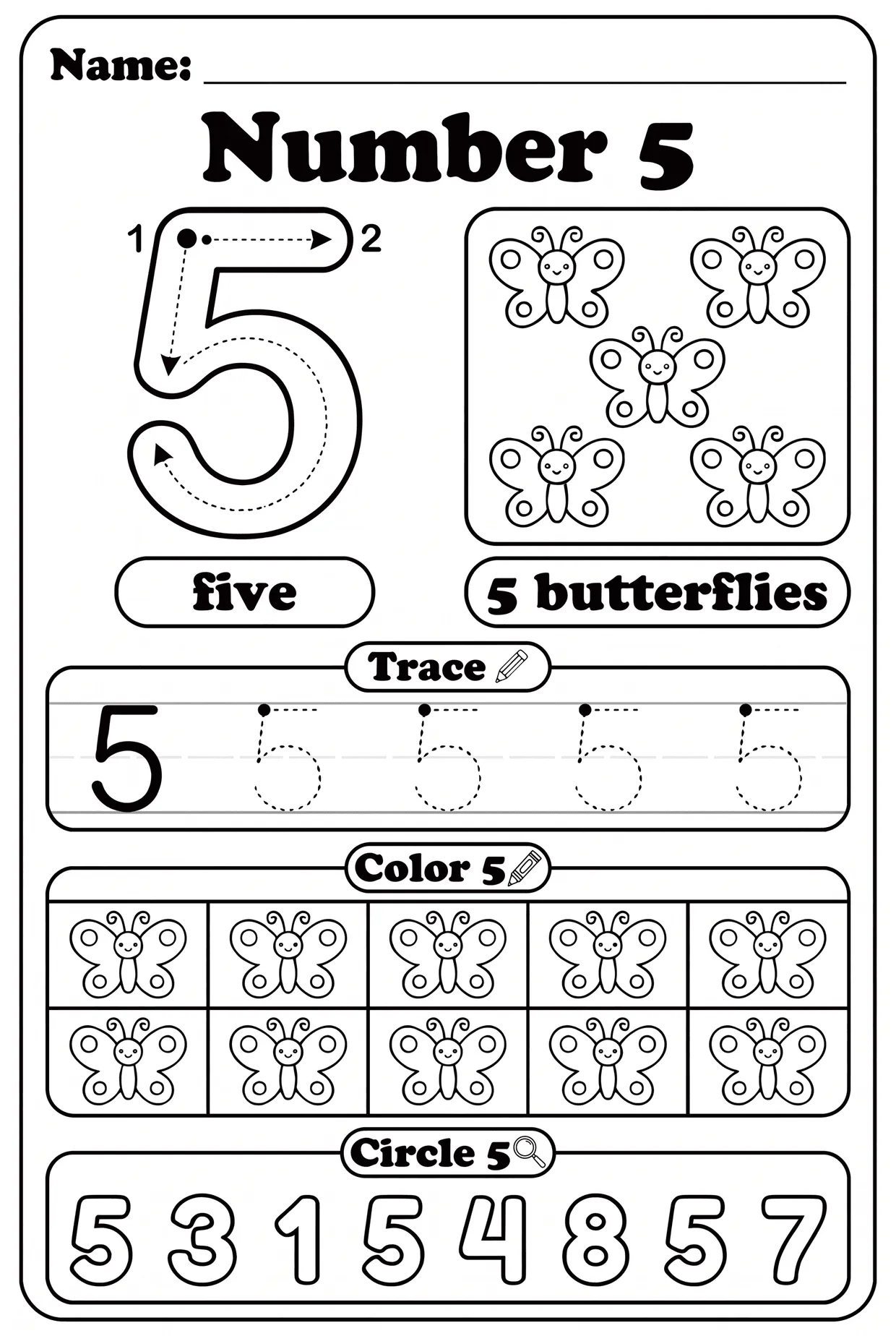
The number pages from 1 to 10 work the same way, pairing each number to trace with things to count, so the shape of a 3 gets tied to three real objects rather than learned as a squiggle. A few slow minutes, with each stroke started at the top, do more for a small hand than a stack of pages rushed.

60 free worksheets Preschool Newest added November 2026
Format
More preschool skills Counting worksheets for preschool 32Alphabet worksheets for preschool 28Number worksheets for preschool 18Winter worksheets for preschool 18Standing lines worksheets for preschool 15Big and small worksheets for preschool 10

Questions about tracing worksheets for preschool

When should a child start tracing worksheets?

Most children are ready at around three, once they can hold a crayon and make a mark on purpose. Start with the big standing lines, which only ask for one stroke from top to bottom, and leave letters until lines and simple shapes feel easy.

Which lines should preschoolers trace first?

Standing lines first, drawn from top to bottom, then lines that run across, then curves and zigzags. That is roughly the order the strokes turn up inside letters, so a child who can trace all of them has most of what handwriting needs. The tracing pages here follow the same path, from standing lines to penguin paths to the alphabet.

Should my preschooler use a pencil or a crayon?

A chunky crayon or a thick marker is easier for small hands, and it is fine to stay with one all year. Move to a pencil when the grip settles. Slipping a sheet into a plastic sleeve and using a dry erase marker lets a child trace the same page again and again.

How long should a tracing session last?

Five to ten minutes is plenty at this age. One page done slowly and carefully does more for pencil control than three pages rushed, so stop while it is still fun.

Are these tracing worksheets free?

Yes, with no limit. A tracing page often gets printed again and again while a child repeats a stroke until it looks right, so make as many copies as you like for home or a whole class. No account is needed.